


Timanfaya, the eruption described by the priest who saw it begin
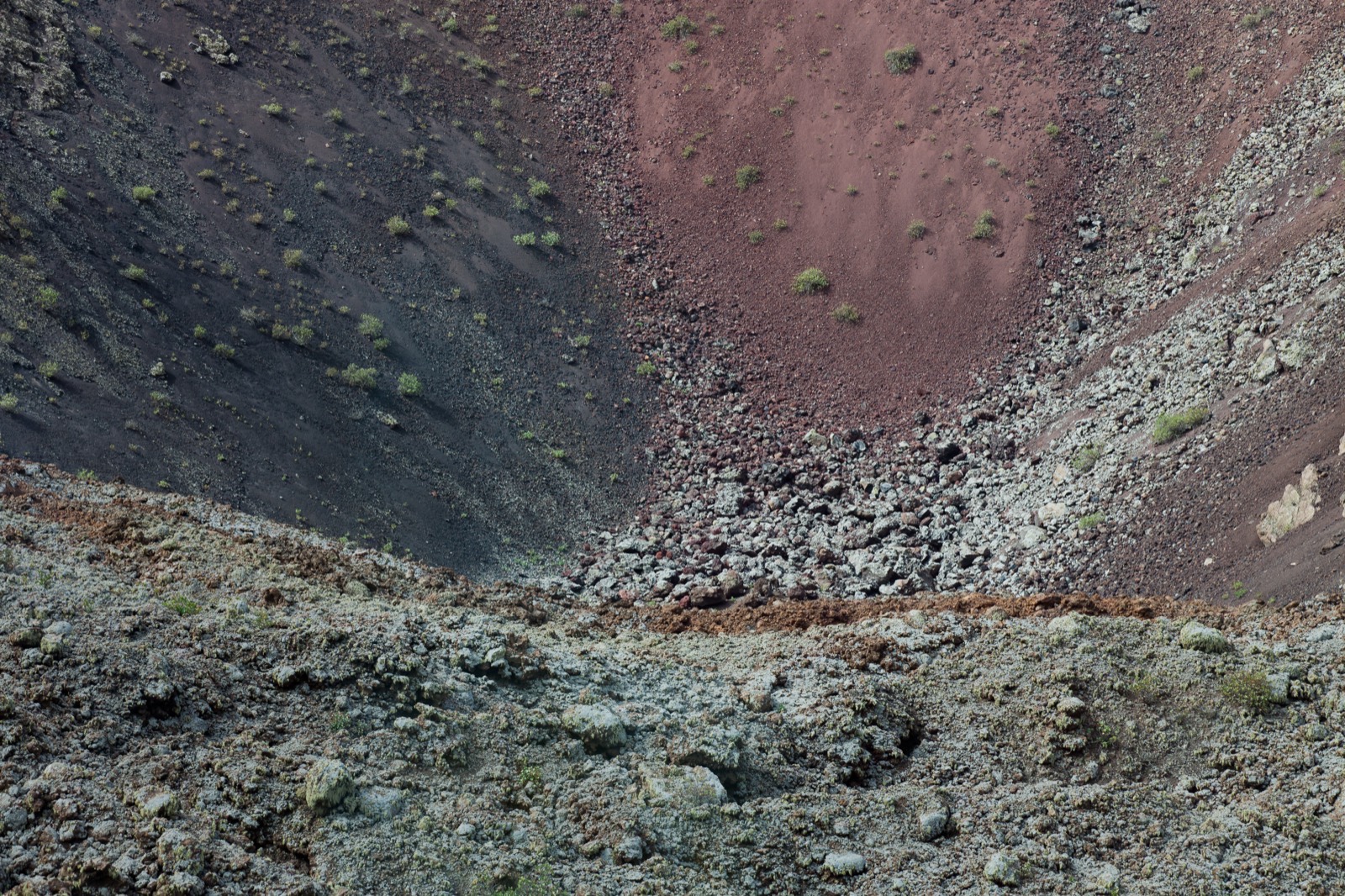
'On 1 September 1730, between nine and ten at night, the earth suddenly opened near Timanfaya': so begins the chronicle written by the parish priest of Yaiza, Don Andrés Lorenzo Curbelo, while the eruption was still under way. It is the most quoted first-hand account of the event.
It lasted until 1736. The lava erased a dozen villages and buried farmland under lapilli, forcing many islanders to emigrate. Paradoxically it also produced the ash that today allows the vines of La Geria to survive the drought.
What you can visit
The National Park is toured by the park coach along the Ruta de los Volcanes: free walking is not allowed. At the Islote de Hilario the heat underground is still only tens of centimetres down, demonstrated with burning straw and a water geyser.
El Diablo restaurant stands there too, designed by César Manrique in 1970, where meat is grilled over geothermal heat. In the hot months arrive early: the queue at the entrance can be long.
Anna Borlenghi
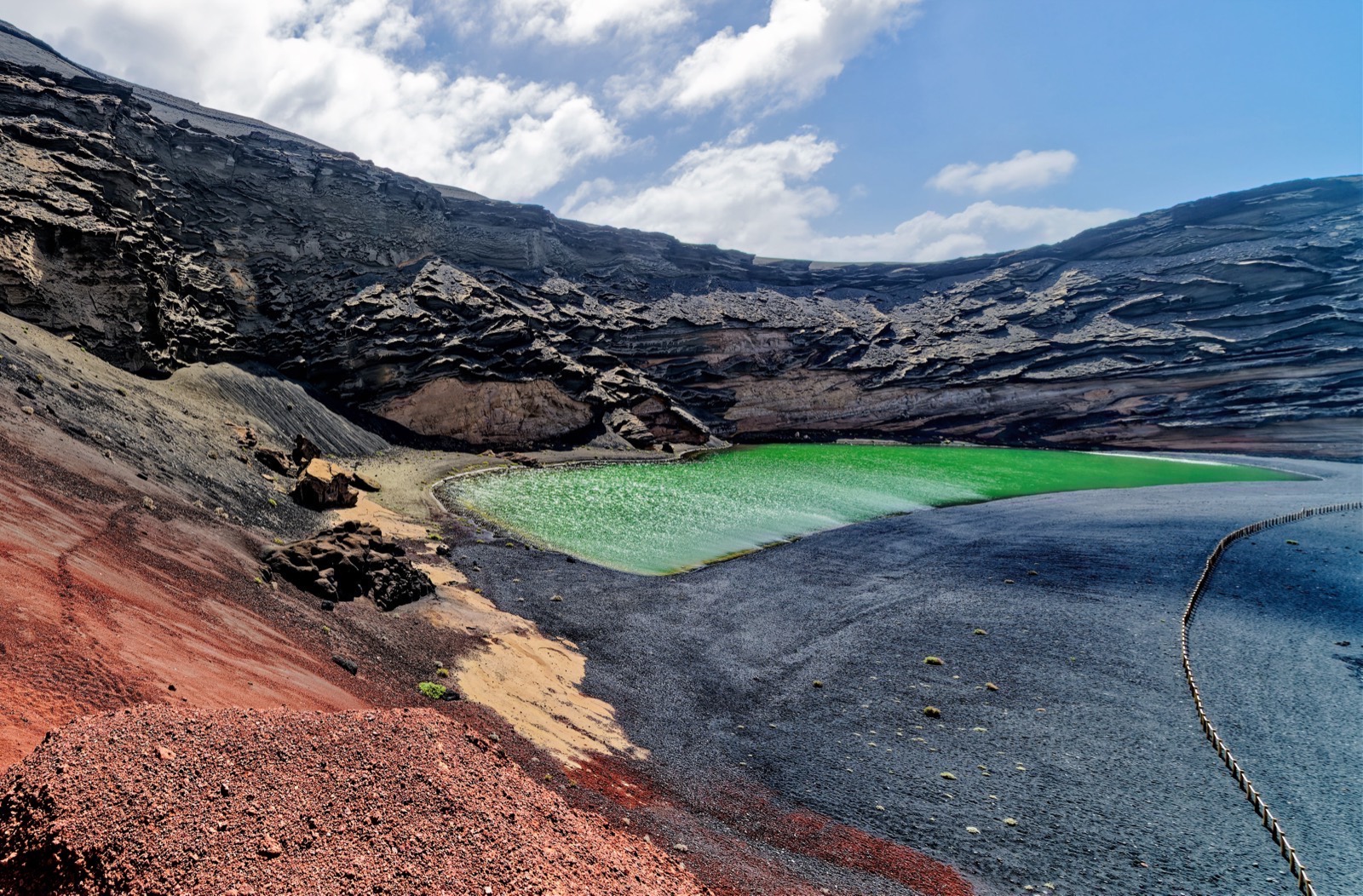 El Golfo, the green lake inside a crater cut in half
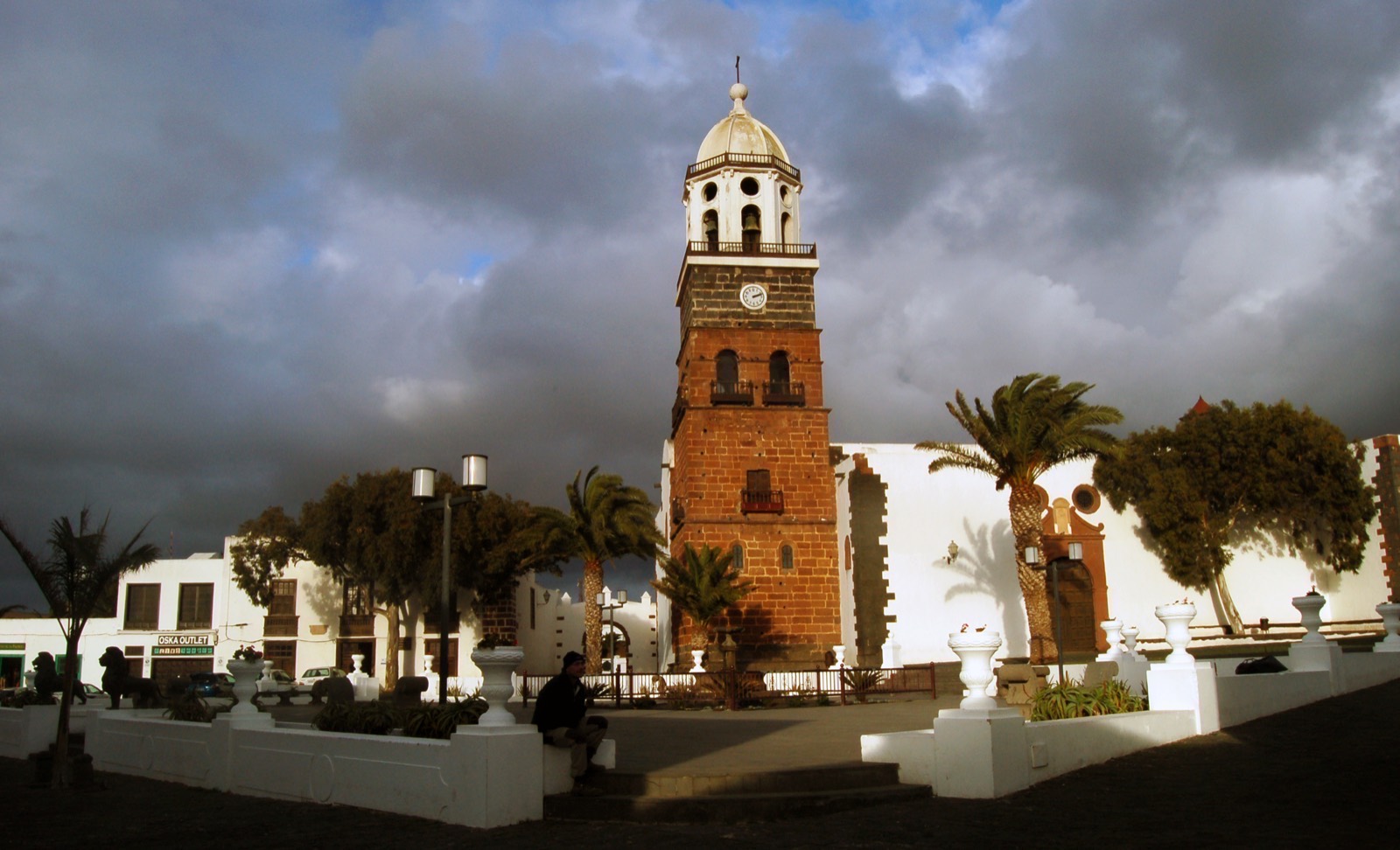 Teguise, the capital corsairs sacked for two centuries
 Mirador del Río, the gun battery that became a balcony