


Canary Islands ease grape transport rules for the 2026 harvest as phylloxera stays in Tenerife
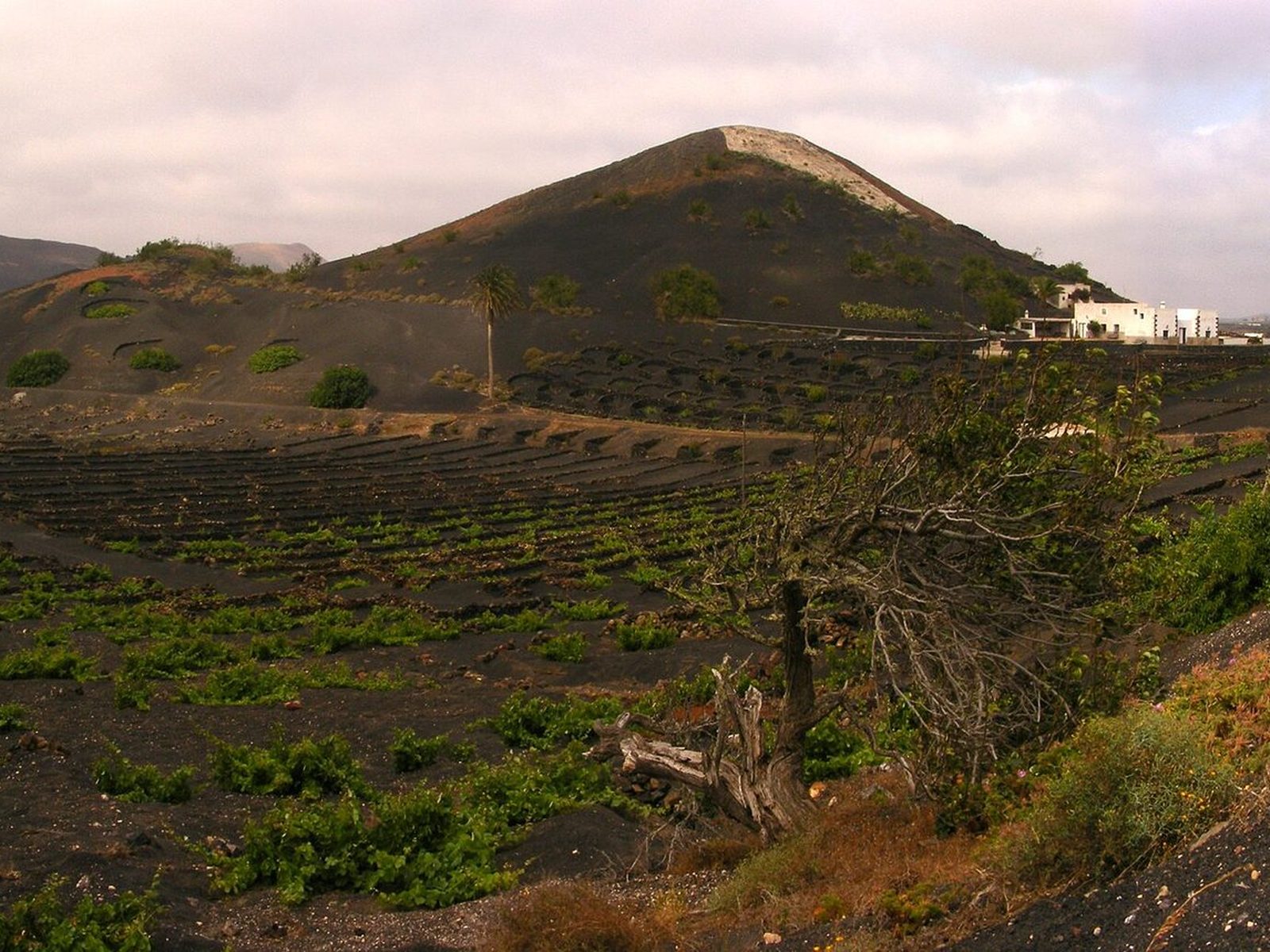
The 2026 grape harvest across the Canary Islands begins under revised rules. The Department of Agriculture, Livestock, Fisheries and Food Sovereignty of the Gobierno de Canarias has updated its phytosanitary measures against phylloxera, easing restrictions on the movement of fresh grapes and plant material while reinforcing surveillance and biosecurity in areas where the pest could spread.
The change follows the results of the 2026 monitoring campaign. A total of 5,429 inspections were carried out across all the islands, with only 16 positive findings, all of them on abandoned plots within the so-called "zona cero". The figures confirm that the pest remains confined to Tenerife and has not been detected on any other island, Lanzarote included.
Eduardo García Cabello, deputy head of the Primary Sector, linked the results to the work carried out by the regional government together with the Regulatory Boards of the Protected Designations of Origin for Canary wines and the island Cabildos. That cooperation, he said, made it possible to amend the order governing the fight against the pest and adapt the strategy to the current situation.
In practice, grapes may now circulate in pest-free zones and within Tenerife itself outside the demarcated area, while restrictions remain where the risk is real. The new mapping sets out three specific areas where controls will be concentrated.
What it means if you are visiting Lanzarote's vineyards
For local growers, the practical point is that moving grapes is no longer subject to the limits of previous seasons, though biosecurity routines still apply: cleaning crates, trailers, tools and footwear, and checking any plant material arriving from outside the island. Phylloxera does not travel far on its own; it moves with soil, rootstock and dirty containers. Visitors touring La Geria, Masdache or Tinajo during harvest season can help simply by staying out of the volcanic hoyos and not handling the vines without the owner's permission. Most bodegas on the wine route welcome visits, and late August and September are the weeks when the picking is actually happening.
Daniele Boagno
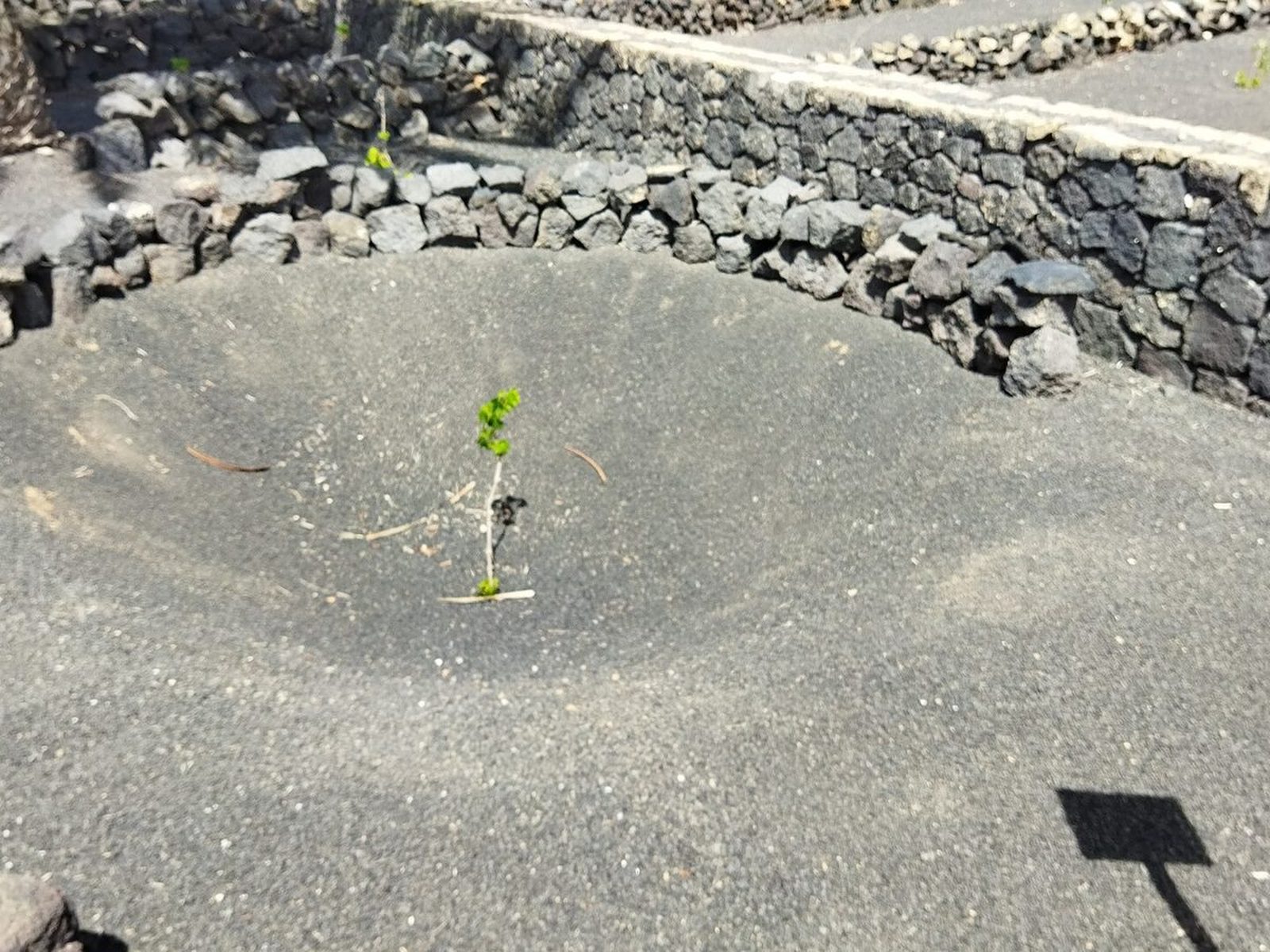 Festival Campesino stages "El poema diario de Titerroygatra" on Saturday
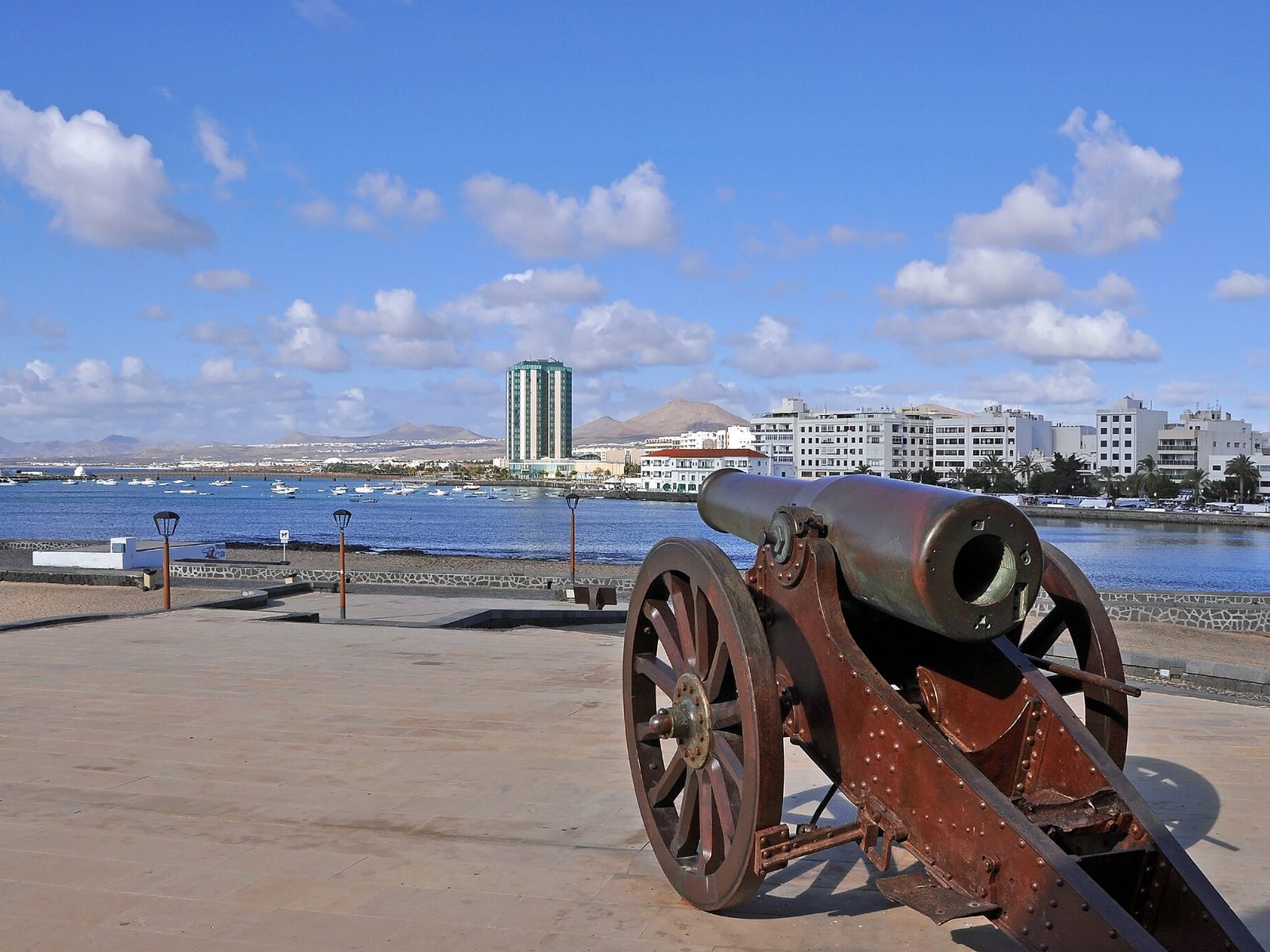 Desidia Festival: murals and workshops in Argana Baja, 3 to 10 September
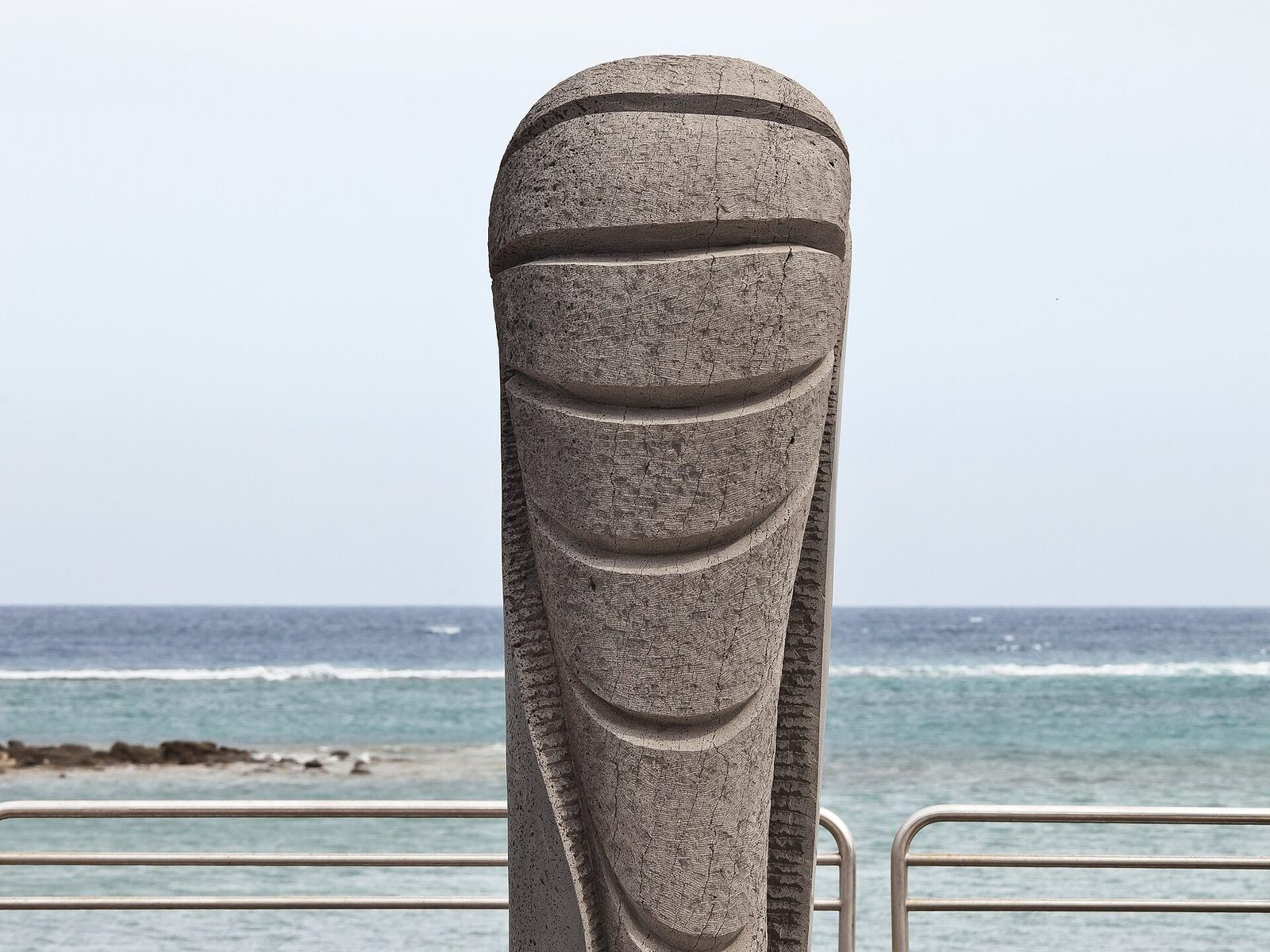 Film acting workshop with Miguel Angel Vivas at El Almacen, 24-26 September