


'Chapuzon seguro' ends tenth edition with close to 1,000 people trained in Lanzarote
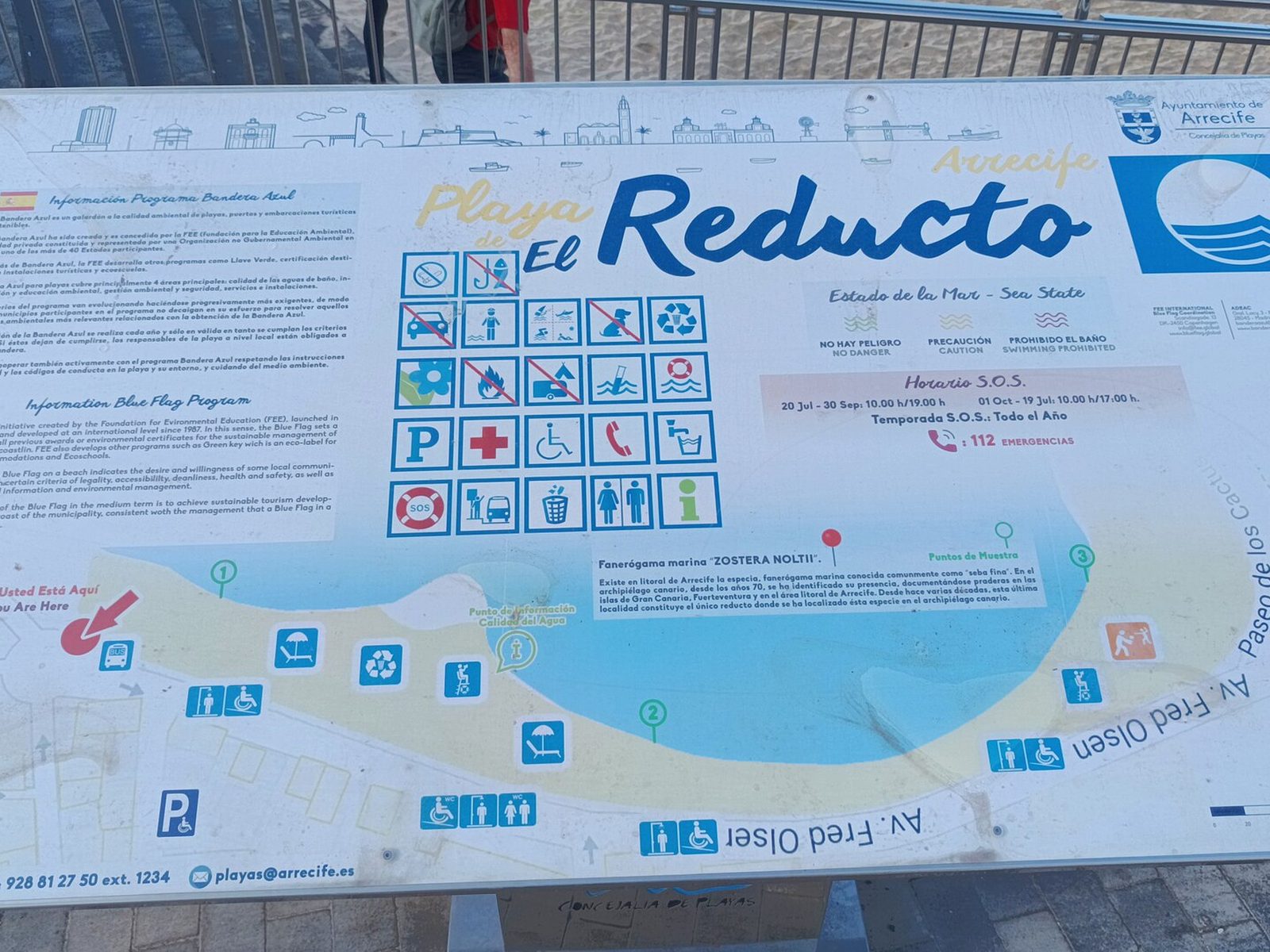
The Consorcio de Seguridad y Emergencias de Lanzarote y La Graciosa has wrapped up the tenth edition of 'Chapuzon seguro', its summer water-safety and prevention programme. The closing event took place last Monday at CEIP Argana Alta in Arrecife, following two months of sessions held at locations across the island.
According to the consortium's own figures, the campaign reached close to 1,000 people, mostly children, teenagers and families. Instructors travelled to summer day camps and to strategic points along the coast, running hands-on workshops and group exercises on water rescue basics rather than waiting for participants to come to them.
The consortium's president, Francisco J. Aparicio, said the attendance figures validate that approach: "Reaching close to a thousand people shows it was right to take prevention directly to where users are in summer: their camps, their pools, their beaches." He also framed it as an island-specific issue, arguing that "in an island setting like ours, teaching respect for the sea and safe behaviour from an early age is the most effective tool for preventing accidents and saving lives".
The core content covered two things every beach user should know: how to read the meaning of beach flags correctly, and the emergency protocol known in Spain as P.A.S. - Protect, Alert 112, Rescue.
Beach flags and the 112 call: a refresher for visitors
Lanzarote's coast changes quickly, and a beach that was calm in the morning can be flying a different flag by mid-afternoon. Check the flagpole every time you arrive, not just on your first day. The emergency number across the Canary Islands is 112, and operators handle calls in several languages. When you call, give the beach name and the nearest access point or landmark, since coastal locations are hard to pin down otherwise. The P.A.S. sequence also carries a warning worth repeating: the first step is not entering the water. Secure yourself, call for help, and if you do assist, throw something that floats or reach out from land instead of swimming out.
Daniele Boagno
 Barbary ground squirrel caught in Playa Honda as Cabildo issues urgent alert
 'Fusion': Conciertos Hablados returns to Arrecife on Thursday 3 September, 7.30pm
 Traditional boatbuilding course at Escuela Pancho Lasso, Arrecife, 5-30 October