


La Geria, how wine is made where it never rains
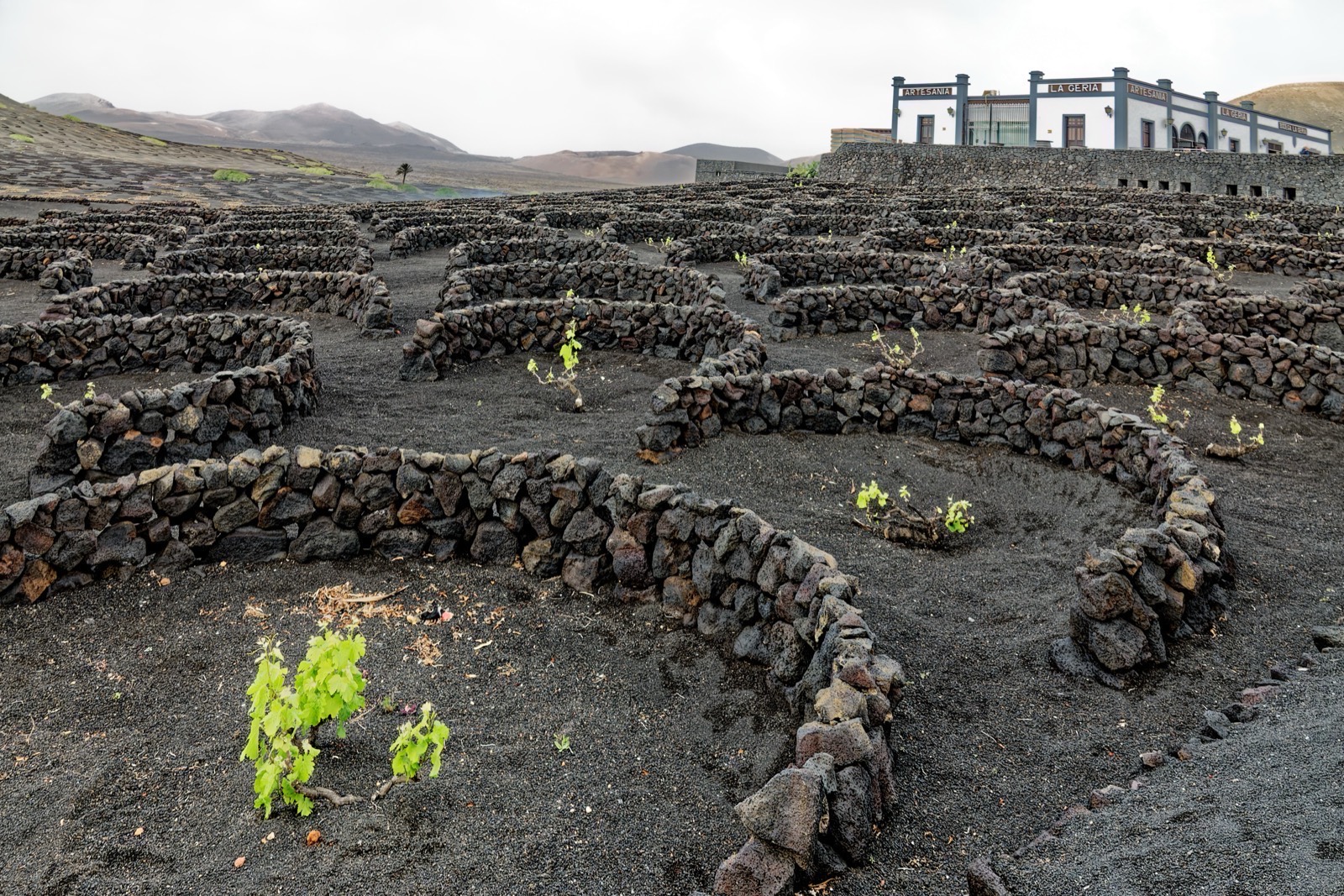
Between 1730 and 1736 the Timanfaya eruptions buried the island's most fertile land under metres of lapilli. Those who stayed had to invent a new kind of farming: dig down to the old soil, plant the vine at the bottom of the pit, and shield it from the trade wind with a semicircular wall.
The pits are called hoyos, the walls zocos. The black ash covering them, picón, works like a sponge: it captures the night's moisture and releases it to the plant by day. On an island where it barely rains, that is what keeps the vines alive.
What you drink
The local grape is malvasía volcánica — white, dry and mineral. Many wineries along the LZ-30 open to the public and offer tastings; harvest comes very early by European standards, between late July and August, and some estates still bring the grapes in on camelback.
The area has been a Protected Landscape since 1987 and the wines carry a denomination of origin. One practical tip: drive the LZ-30 in late afternoon, when the low light picks out the thousands of pits one by one.
Anna Borlenghi
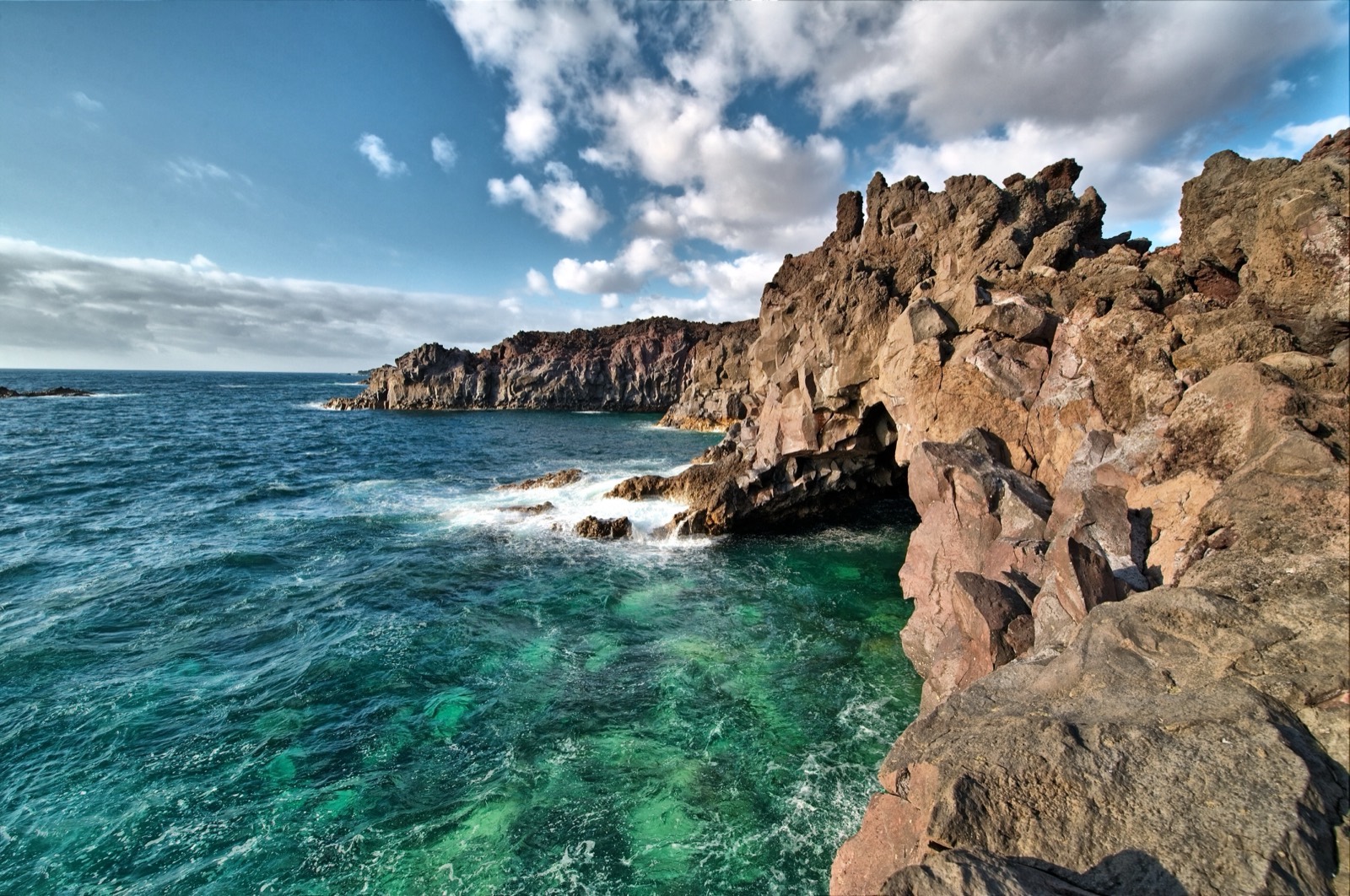 Tenesar, the near-empty fishing village on the west coast
 'Yo no moriré de amor' by Marta Matute at El Almacén's Cine Buñuel
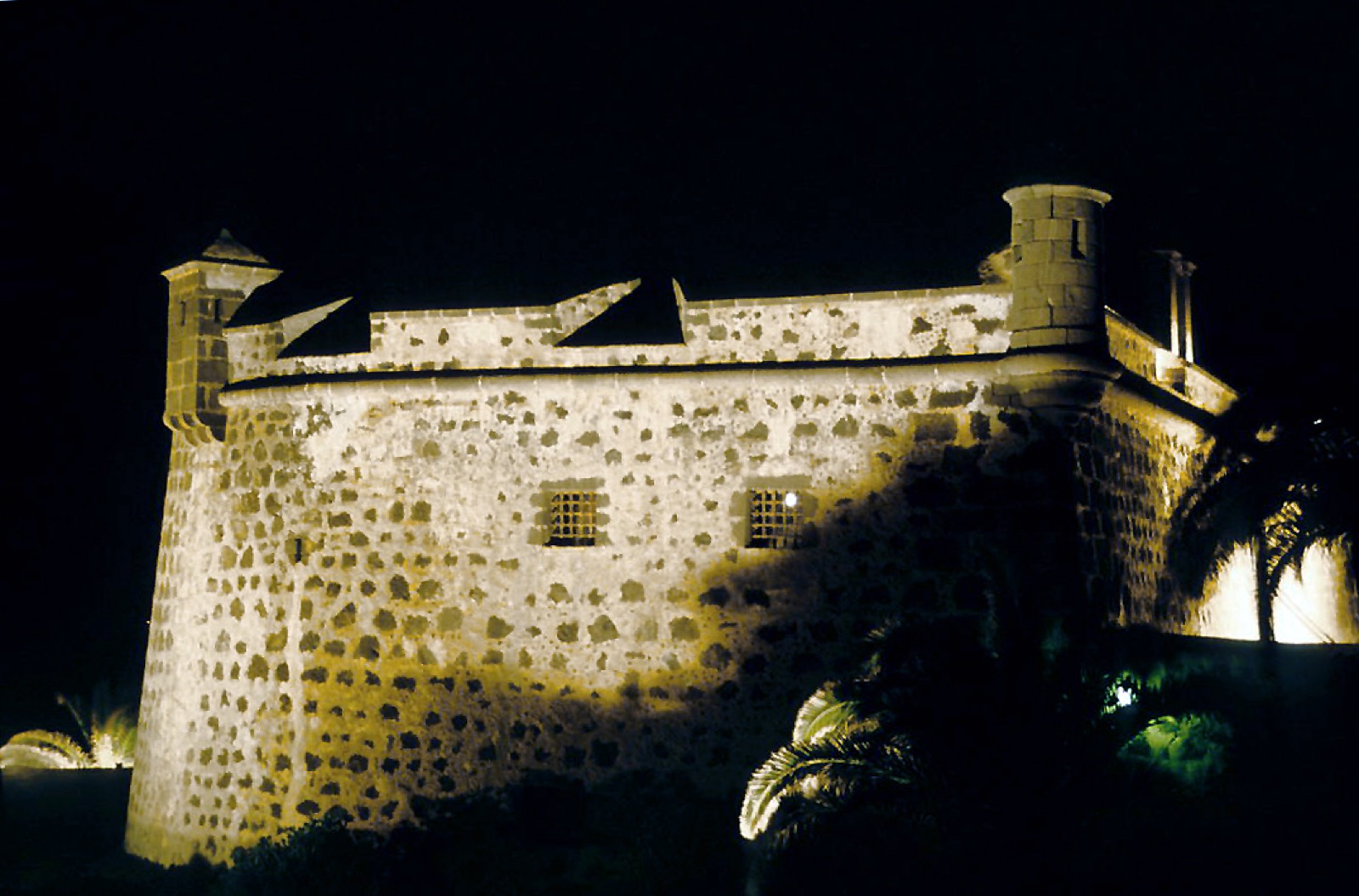
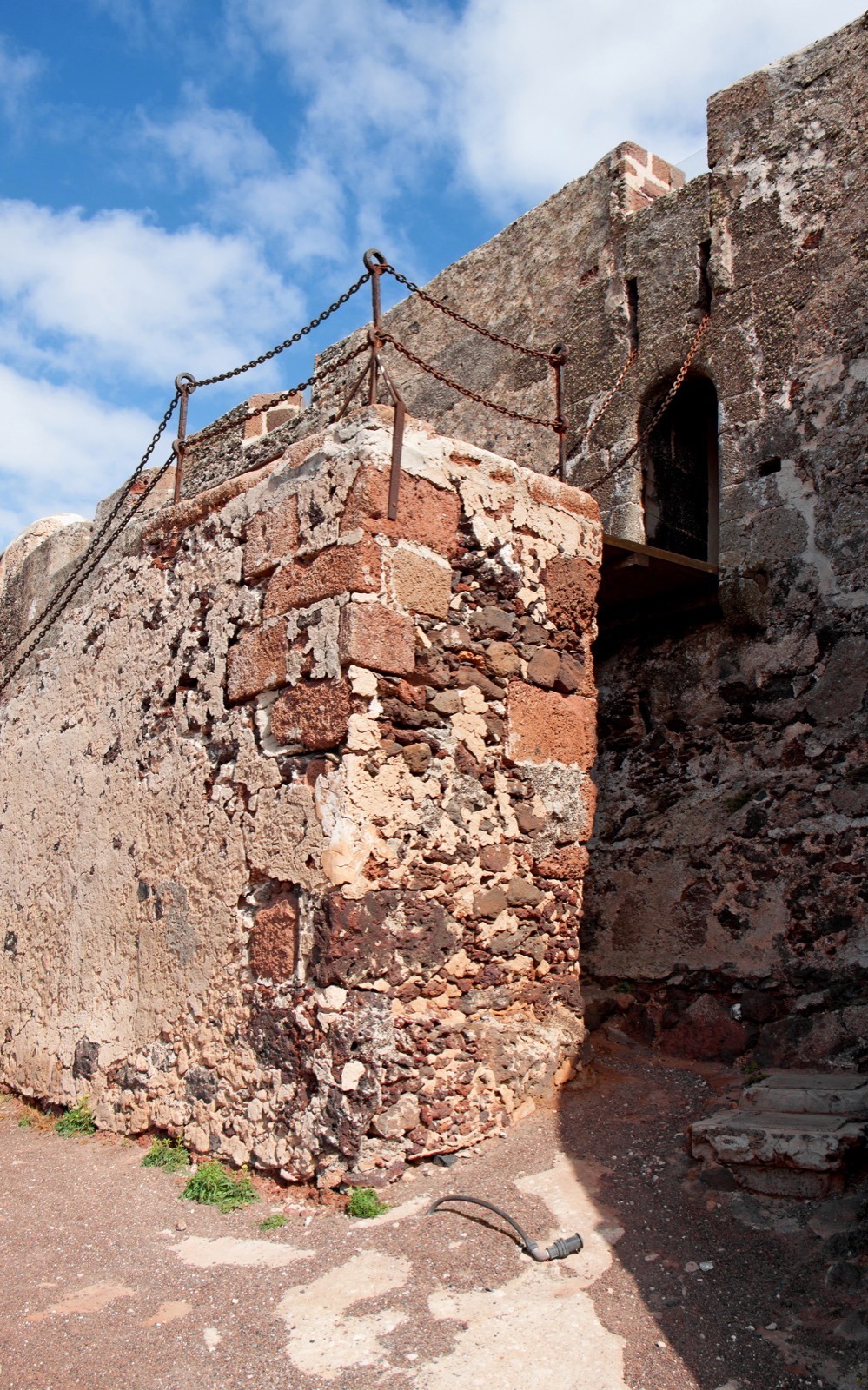 Castillo de Santa Bárbara, the only piracy museum in the Canaries