


Who has water back and who does not, village by village: Teguise is the worst affected
Sunday morning update. Service is coming back across the island after yesterday's blackout, but not at the same speed everywhere. Here is where things stand, municipality by municipality.
Where the water is back
• Arrecife — normalised, with pressure rising through the morning.
• Tías — in service, pressure recovering during the morning.
• San Bartolomé — in service, with possible temporary low pressure.
• Haría — all neighbourhoods open since Saturday night, with minimal variation.
• La Caleta de Famara — open since Saturday afternoon, at reduced flow.
• Tinajo — running to its scheduled programme.
Where it is still missing
• Yaiza — reopening under way, recovery is gradual.
• Teguise is the worst affected area. Tao, Tiagua, Soo, Muñique, Nazaret and the town of Teguise are reopening; Nazaret is recovering most slowly of all.
• Los Valles, Teseguite and El Mojón — openings scheduled for the afternoon.
The line not to skip
The company reports 'a generalised recovery of service', but warns that differences between municipalities remain and that some neighbourhoods need several hours to reach normal pressure and flow.
Above all: reservoir levels remain 'very tight'. If the situation requires it, temporary restrictions could return by midday. In plain terms: this is not over, and today is still a day not to waste — leave the washing machine, the hose and the pool until tonight.
How yesterday went
At 5.40 on Saturday Lanzarote went dark. Four minutes later, at 5.44, automatic under-frequency load shedding widened the blackout: about 84,000 customers in total across Lanzarote and La Graciosa — 15,595 at first, another 68,478 immediately after.
Power returned at 7.13am, when Endesa reported 'practically the entirety' of the service restored. The water took the rest of the day: in the late afternoon Enrique Espinosa, manager of the Cabildo's Security and Emergency Consortium, announced the recovery of 100% of production — 'we have already solved the most serious part' — but distribution needed the whole night and part of today.
Where it started
The origin was the Mácher substation, at 66 kilovolts, operated by Red Eléctrica: every circuit breaker on the 66 kV network opened there. Endesa later traced a damaged underground cable on the 20-kilovolt line at the Punta Grande substation. Endesa and Red Eléctrica are investigating the causes.
Why darkness turns into thirst
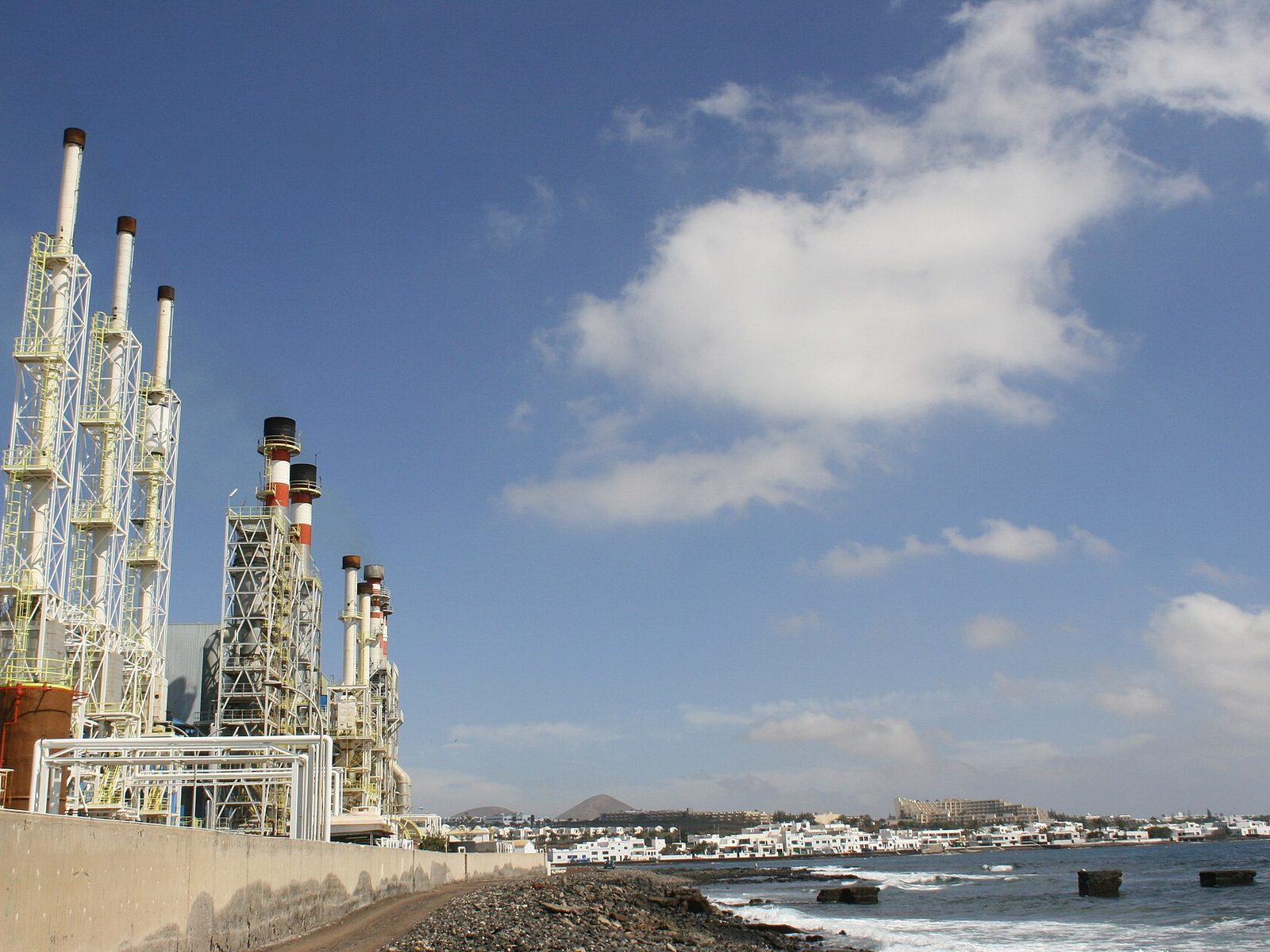
Lanzarote drinks what its desalination plants take from the sea, and they run on electricity. When the power goes they all stop at once, on both islands. Switching them back on is not flicking a switch: it takes start-up and stabilisation procedures, then reservoirs to refill, then pumping stations to restart one by one. Between the power returning and the water returning to every tap, more than a day passed.
This is not a one-off
Water cuts on Lanzarote have been going on for months. In May, a breakdown at Lanzarote V, the newest plant in the system, cost the network more than 20,000 cubic metres in a single day.
On the underlying causes there is an open dispute. Canal Gestión, the operator, blames the cuts on plant breakdowns and on a lack of investment by the Consorcio del Agua: it speaks of a 'structural deficit', points out that the Díaz Rijo expansion, announced in 2023 with 9.5 million euros allocated, 'three years later has not started', and stresses that Lanzarote V was built by the Canary Islands Government in 2014 and belongs to the Consorcio, not to them. The company claims 98.39% availability in 2025.
These are one party's positions. The Consorcio has not answered them point by point.
Daniele Boagno
 Where to dance on Lanzarote: the real map, venue by venue, and why Sunday changes everything
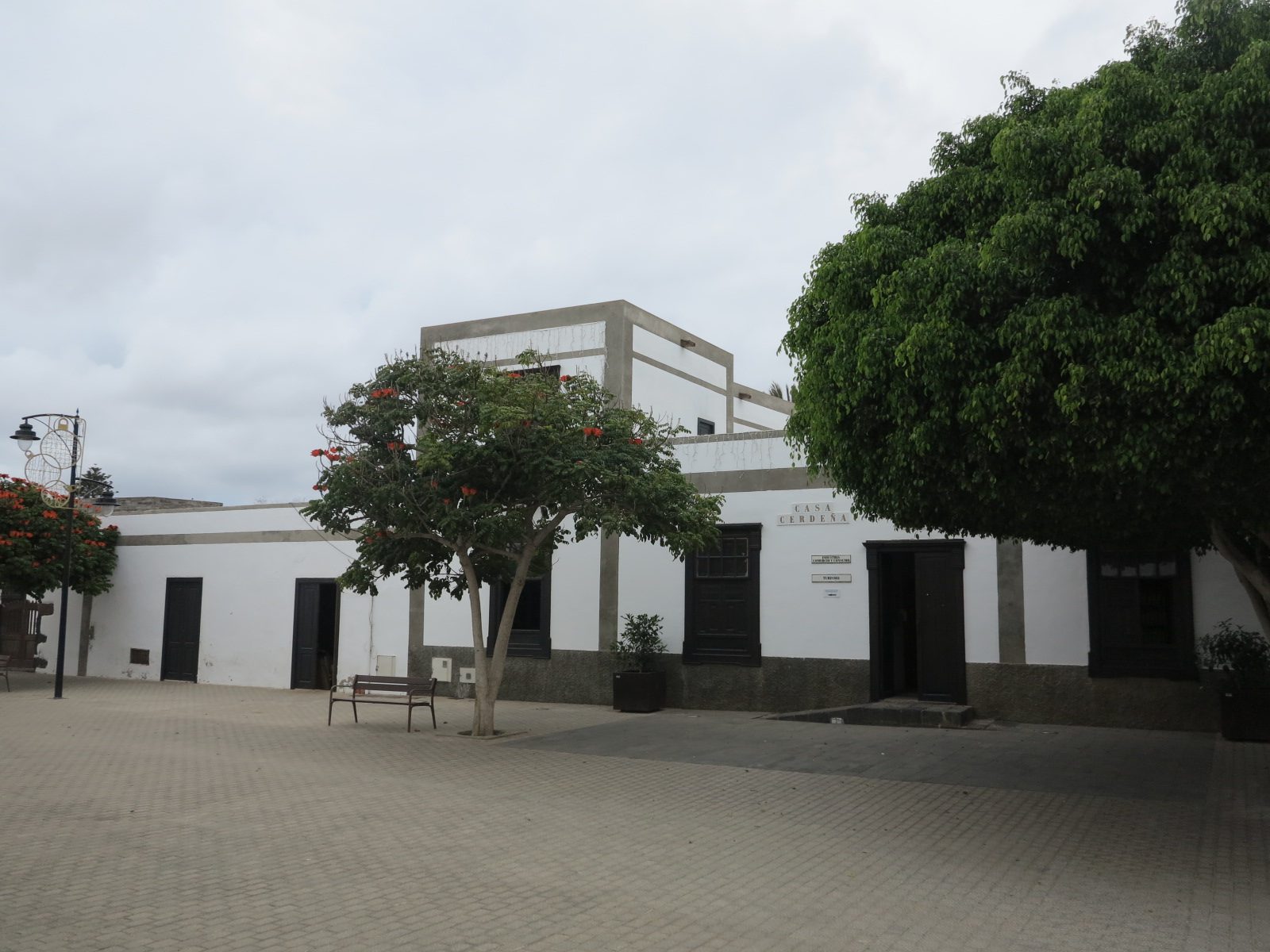 San Bartolomé opens three historic houses and puts the people who can explain them inside: Rufina Santana starts on Thursday
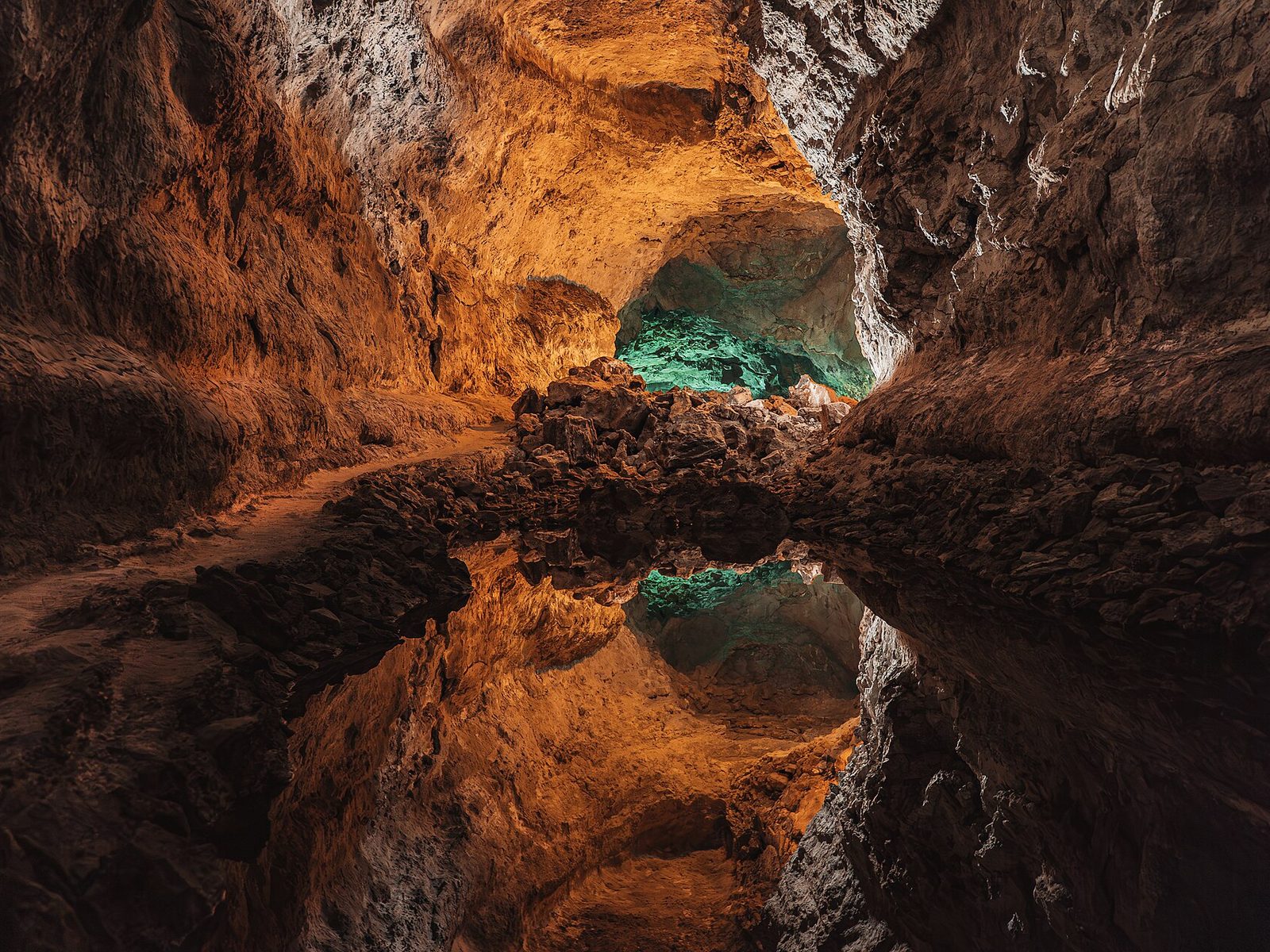 October is festival month: Ray Loriga, eleven days of storytelling, fado and experimental music inside the Cueva de los Verdes