


Famara: new no-parking signs and extra buses for the Sagrado Corazon de Maria fiestas
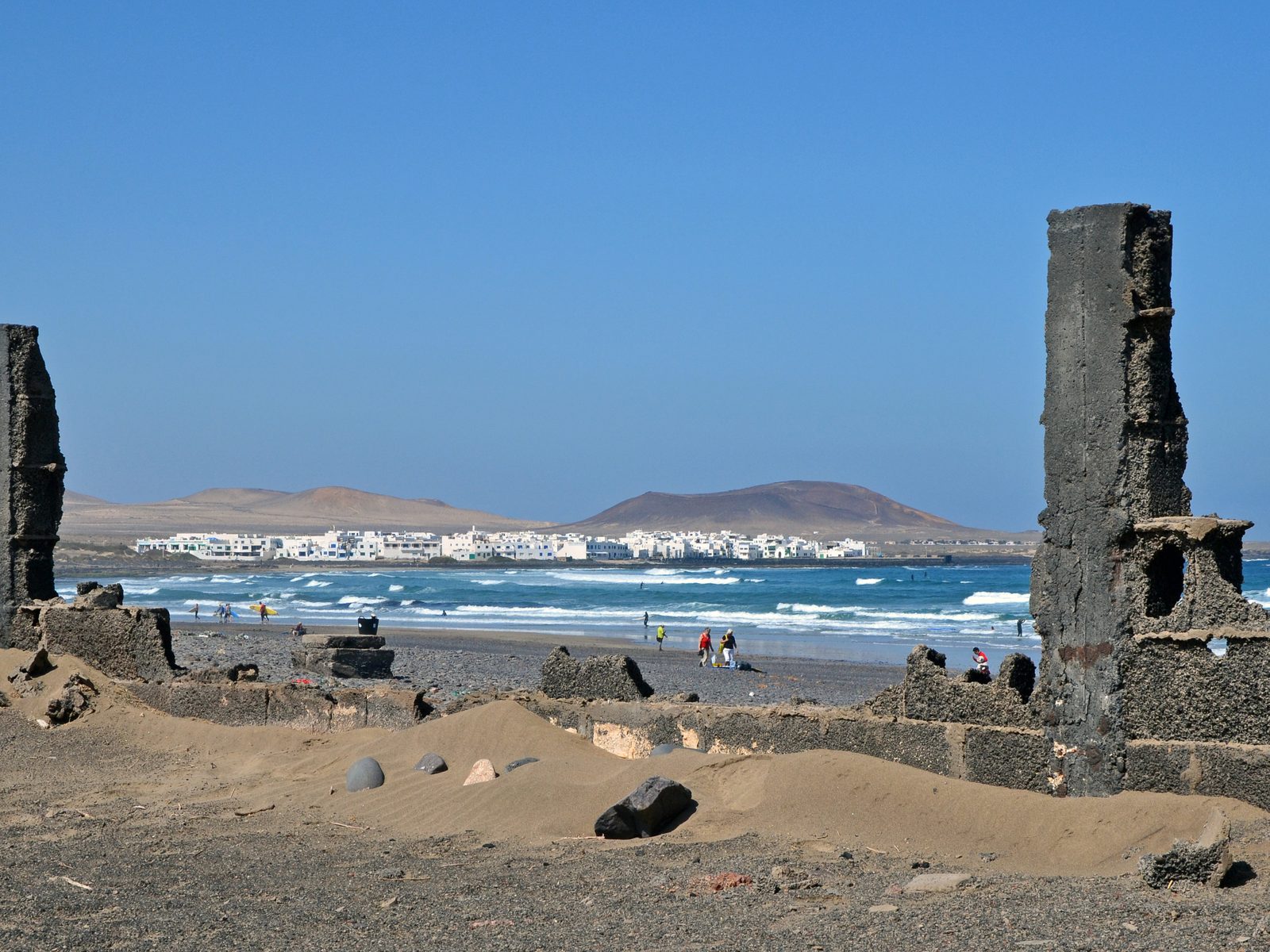
Teguise Town Council, working with the Cabildo de Lanzarote y La Graciosa in its role as manager of the Natural Park, has reinforced the signage marking where parking is not allowed around La Caleta de Famara, ahead of the Fiestas del Sagrado Corazon de Maria.
Information boards have been installed to warn residents and visitors which spaces are off limits to vehicles, following the instructions of the Natural Park's managing body. The aim is to protect a natural area with limited capacity and to prevent cars from spilling into restricted ground on the busiest days of the celebrations.
Mayor Olivia Duque said that "La Caleta de Famara is a natural space we all have to look after, and during the fiestas we need to be especially responsible with the environment". She added that the council is "working hand in hand with the Cabildo, as manager of the Natural Park, to signpost the areas where parking is not allowed and to offer alternatives that let people enjoy the fiestas without arriving by private car".
At the request of Teguise, the Cabildo de Lanzarote is running a special public transport service on the main days of the fiestas, using lines 20 and 28. Line 20 (Arrecife-San Bartolome-La Caleta de Famara) will run in both directions from Arrecife bus station, calling at Argana.
The council is asking people to leave the car behind whenever possible and use the buses, given that the village has only limited parking areas and certain zones are closed to vehicles because of their protected status.
Why parking is tight in Famara
La Caleta sits inside a protected area, with sandy ground and dune vegetation that suffers quickly when vehicles drive or park on it. The village streets are narrow and the few available spaces fill up within hours, especially when fiesta crowds add to the usual flow of surfers and beachgoers.
If you are heading over, check the timetables for lines 20 and 28 before setting off, read the signs placed at the entrance to the village, and avoid improvising a space on sand or along the roadside. On peak afternoons the bus is often quicker than circling in search of a gap.
Daniele Boagno
 Macher theatre company stages seaside hotel comedy in Tias on 6 September
 Wilbur brings acrobatics and comedy to San Bartolome theatre on 27 September
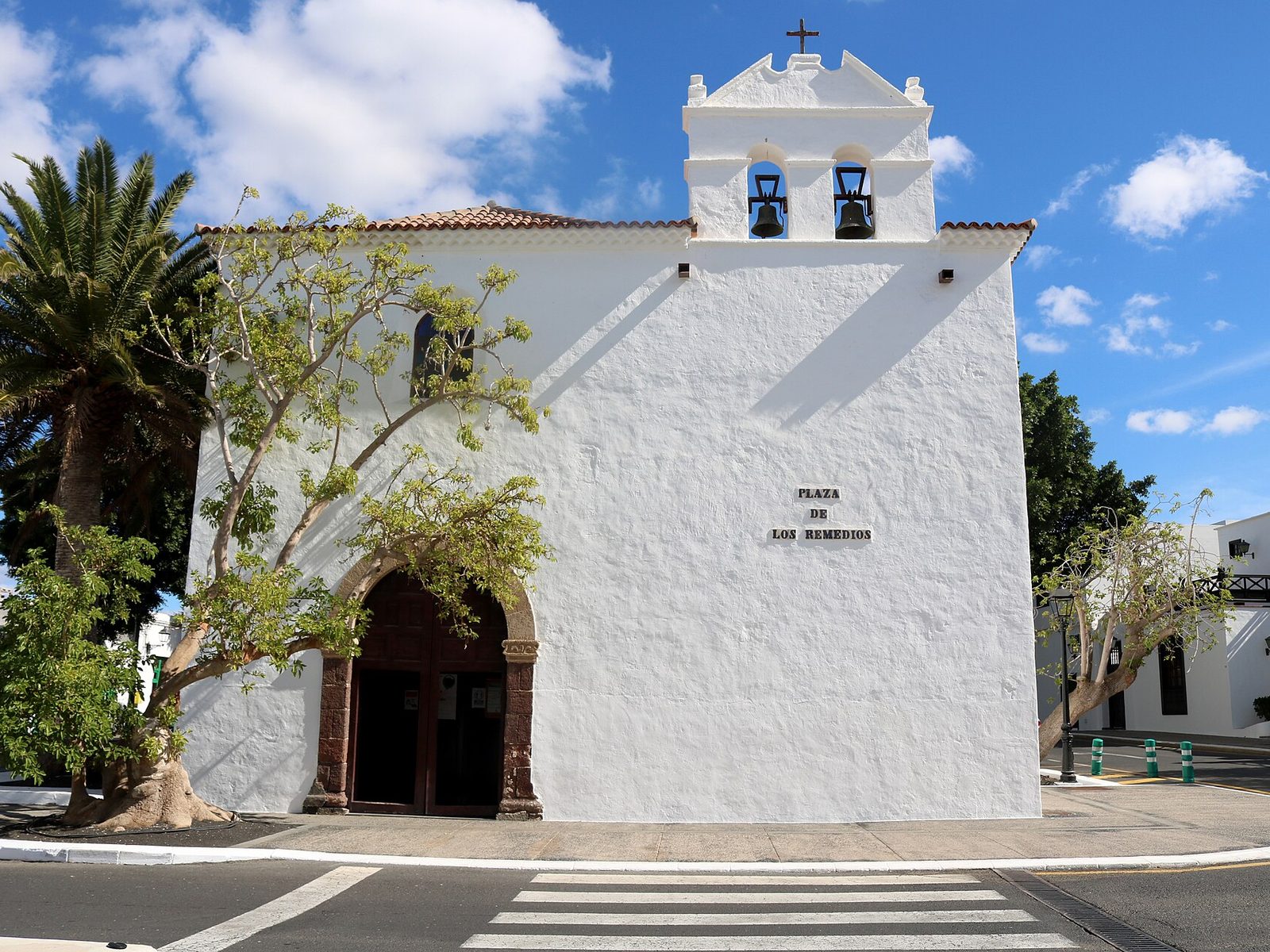 Yaiza's romeria to the Virgen de Los Remedios collects food, fiestas run to 9 September