


Walking inside a volcano: four routes across Lanzarote's craters
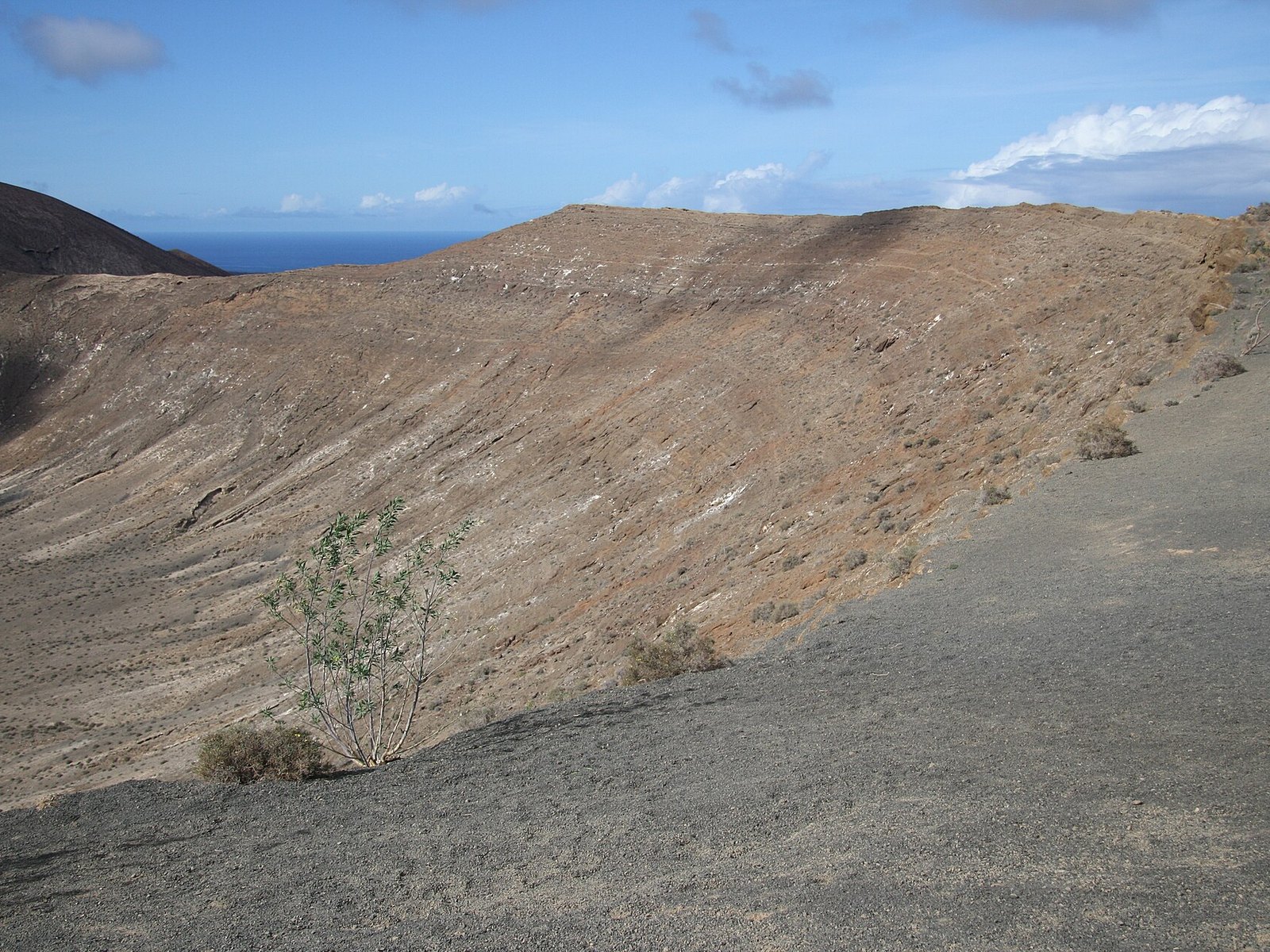
Between 1730 and 1736, a quarter of Lanzarote went under the lava. Six years of eruption, eleven villages erased, and a priest in Yaiza, Andrés Lorenzo Curbelo, who sat down and kept a diary of it, day by day. That is what makes this island unusual: elsewhere volcanoes are prehistory. Here there is a written record.
And you can walk into them. You do not need to be a mountaineer: three of the four routes below are within reach of anyone with two legs and a pair of closed shoes.
1. Volcán del Cuervo: the one you walk into
If you only do one, do this one. El Cuervo is the volcano where it all began in 1730, and one side of its wall has fallen open. You go in through that breach and find yourself standing on the floor of the crater, the ring of red rock all around you. Nothing else feels quite like it.
• Route: circular, 3 to 4 kilometres including going inside the crater.
• Time: an hour and a half; two if you take your time.
• Difficulty: virtually flat. Children manage it.
• Start: signposted car park on the LZ-56, between Mancha Blanca and Tinajo, marked by the large Parque Natural de los Volcanes panel.
2. Montaña Colorada: the best hour you can spend
Genuinely red, from the iron oxides in the lava. The path goes around it — you do not climb to the top, and you should not — and along the way you meet one of the island's most startling sights: the volcanic bombs, boulders the volcano threw into the air that landed where they still sit, one of them the size of a car.
• Route: circular, about 3 kilometres.
• Time: an hour, stopping for photographs.
• Difficulty: easy.
• Start: also on the LZ-56, close to El Cuervo: you can do both in one morning.
3. Caldera Blanca: the serious one
This one is the opposite of the others. Caldera Blanca is older than the eighteenth-century eruption, which is why it is pale: a light-coloured cone left standing while the black lava of 1730 piled up around it. The crater is 1,200 metres across, and from the rim you can see half the island.
Getting there means crossing the malpaís, the lava field, on a path picked through the stones. That is the tiring part: the ground is uneven and there is not a scrap of shade.
• Route: about 10 kilometres there and back.
• Time: four hours on average.
• Difficulty: moderate. It is not steep; it is long and exposed.
• Start: car park at the edge of Mancha Blanca, a kilometre and a half north of the Visitor Centre. It is trail no. 4 of the Tinajo network.
4. Timanfaya: you cannot go in alone
Inside the National Park you cannot walk freely, and that is not officiousness: the ground is fragile, and in places a few centimetres beneath your feet it is still hundreds of degrees. But two walking routes do exist, they are guided and free, and almost nobody knows about them.
• Ruta de Tremesana: two kilometres, about three hours, minimal difficulty. It runs on Mondays, Wednesdays and Fridays, roughly 10am to 1pm, all year. Eight places per walk, in Spanish and English.
• Ruta del Litoral, from the El Golfo side: a walk along the park's coast, also guided and free.
How to book: places are released at most a month ahead and go immediately. Book through the national parks reservation site, or at the Mancha Blanca Visitor Centre on 928 118 040. Mark the date exactly one month in advance and try that day: it is the only way that works.
Four rules worth more than any tip
Stay on the path. That silver-grey crust over the lava is a lichen, and it is alive: it took decades to grow on that stone and one footprint wipes it out. It is the reason the malpaís is that colour at all.
Do not take stones. It feels harmless until a hundred thousand people do it.
Closed shoes, and sturdy ones. Picón and lava cut like glass: flip-flops on the malpaís end badly, and so do sandals.
Water, a hat, and an early start. On these routes there is no shade, no water and no toilets, and the phone signal comes and goes. The wind deceives you: it always blows, and you notice the sun too late. The best light, and the most bearable heat, are in the early morning or the late afternoon.
Giacomo Piraino
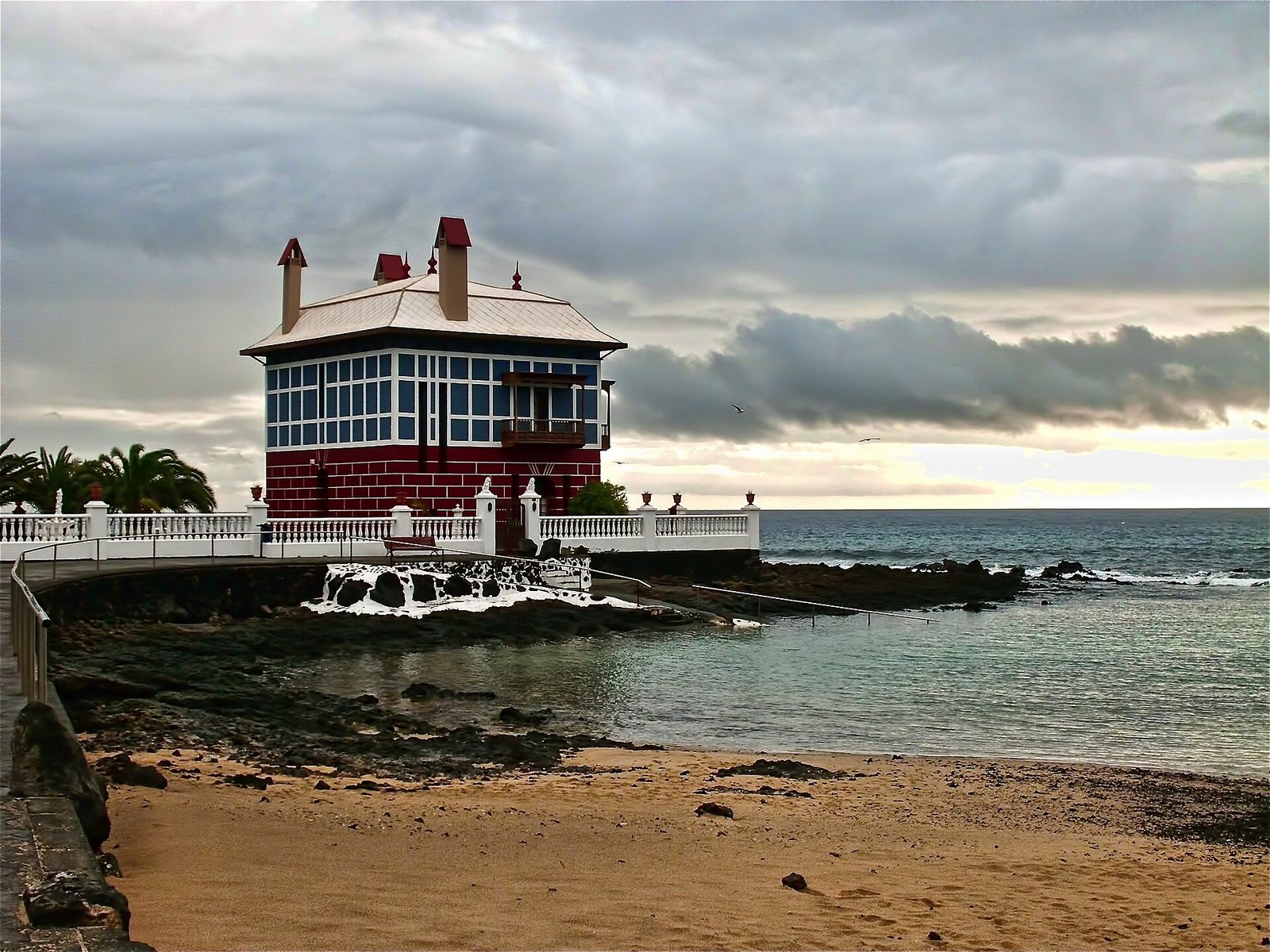 Charco del Palo celebrates on 2 and 3 October: a tapas contest, acrobatics and a jam session until midnight
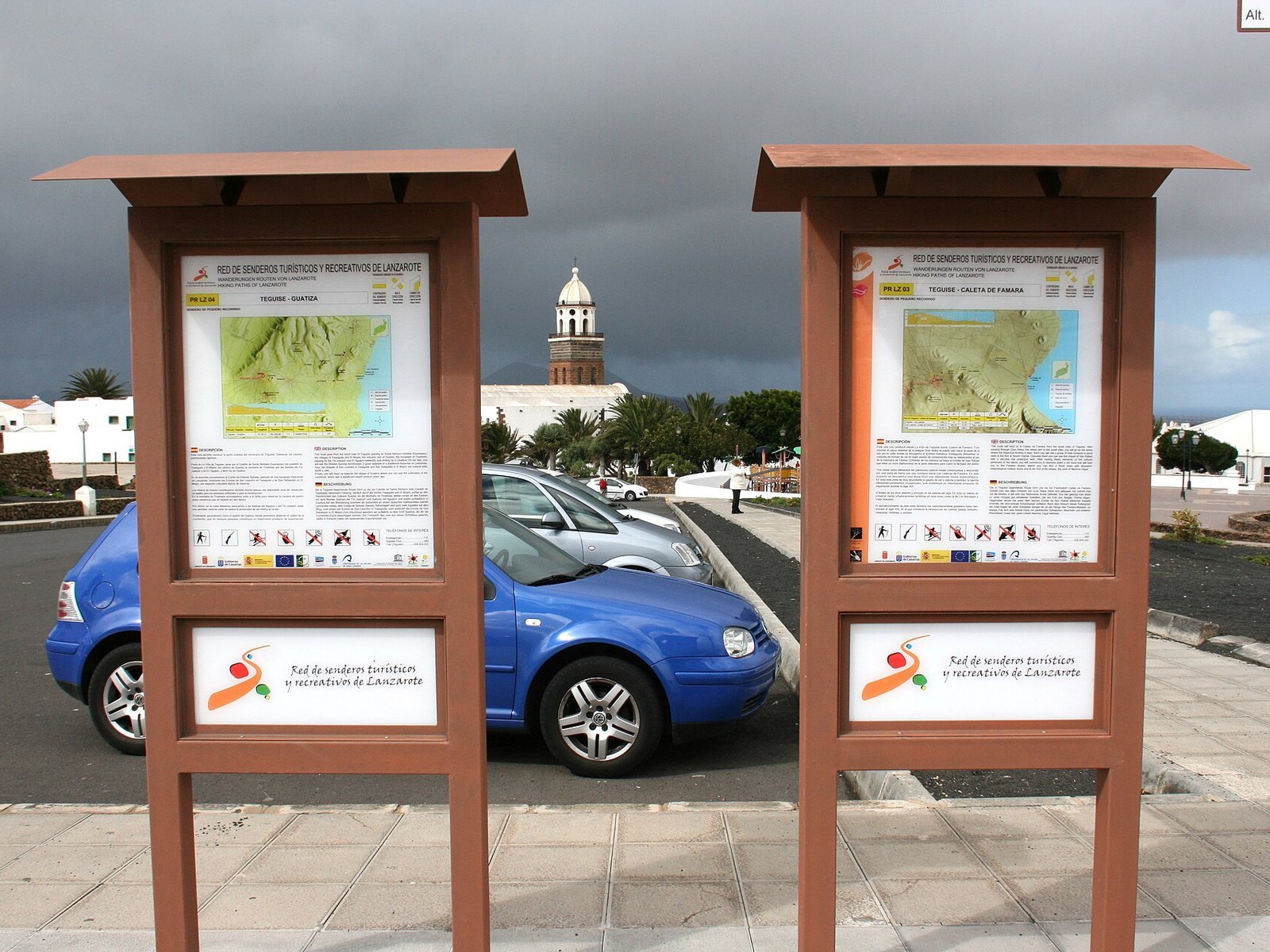 In Soo the 1-2 year-old class has already filled all 14 places, and 36 more are coming in Costa Teguise
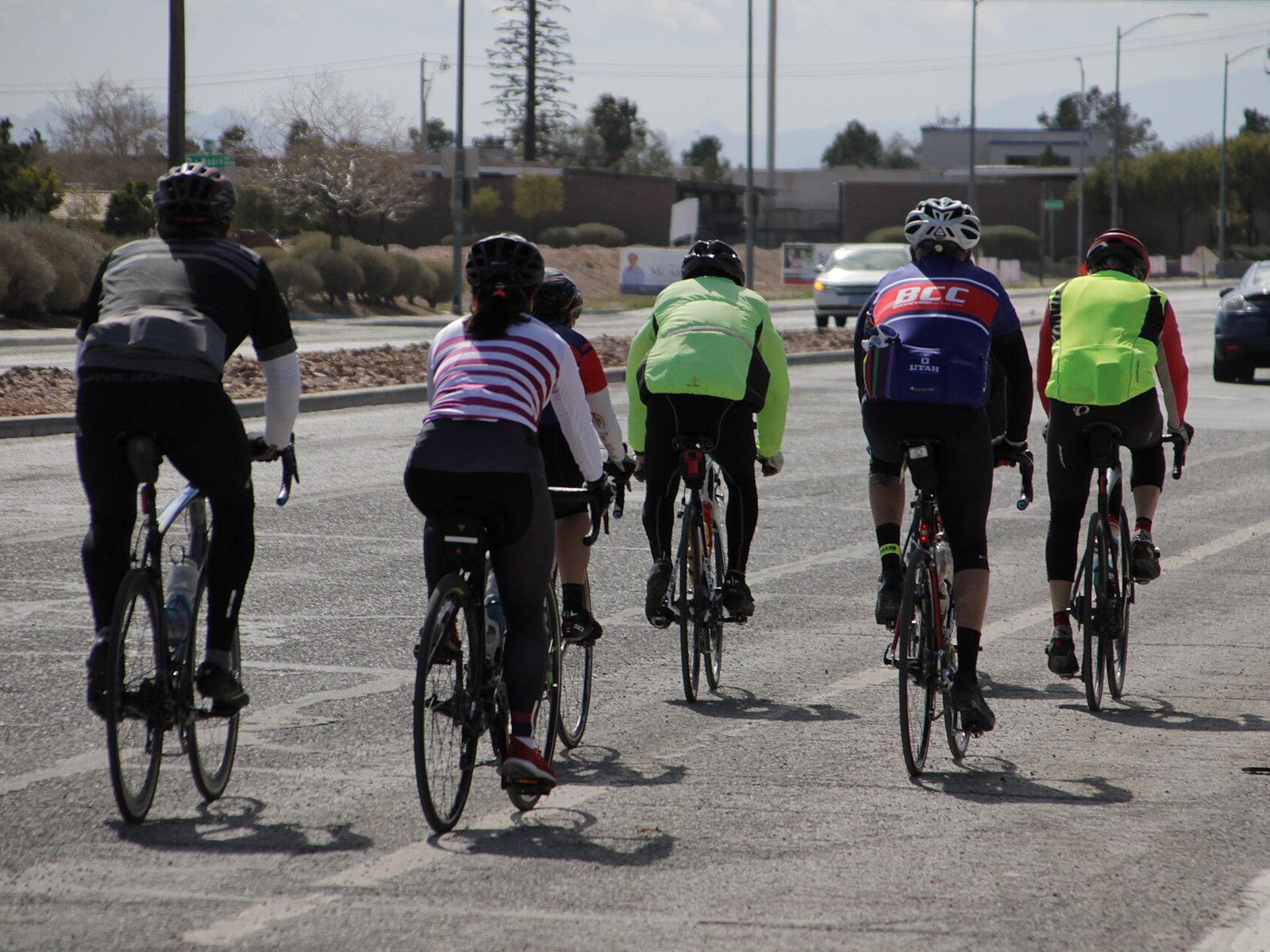 189 kilometres by bike through all seven municipalities: the Vuelta returns this weekend, and Yaiza closes roads