


The Virgin of the Volcanoes: why half of Lanzarote walks to Mancha Blanca
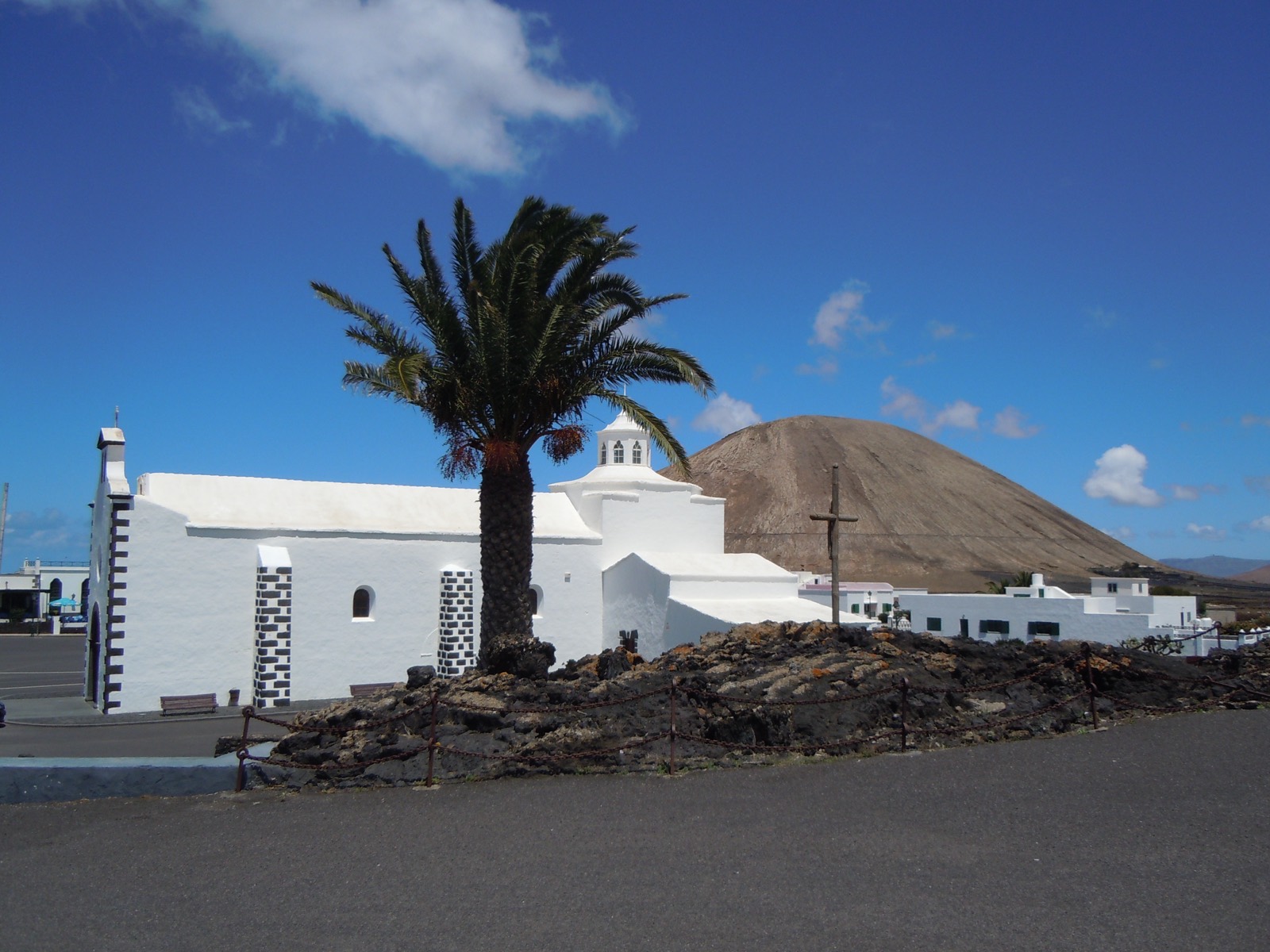
On 15 September, a public holiday across Lanzarote, tens of thousands of people walk to the Ermita de Mancha Blanca, in the municipality of Tinajo. Many set out on foot from their villages the night before. This is the Romería de Los Dolores, and to understand why it is the island's biggest day you have to go back almost three centuries.
Six years of fire
Between 1730 and 1736 Timanfaya buried a third of the island. It was not one night of terror: it was six years. The lava covered villages and — what mattered most here — the best farmland, the land that fed people. Those who could emigrated; those who stayed watched a front advance that never stopped.
The vow of April 1736
In the spring of 1736 a Franciscan friar, the Padre Guardián, called the people to a procession towards Mancha Blanca carrying the image of the Virgin. There they made a vow: if the eruptions stopped, they would build her a hermitage.
The account says the lava flow, having reached the feet of the Virgen de los Dolores, drew back and then halted for good. The vow was kept: the first chapel came in 1781, and the building you see today in 1862.
Why she is called the Virgin of the Volcanoes
The story does not end there, and this is the part told least. In 1824, when the Capellanía del Clérigo volcano erupted, people went again in procession to beg her help. That time too the lava stopped. Since then she has been the Virgen de los Volcanes, and she is the patron saint of Lanzarote.
That is why this is not a festival like the others. On an island that watched a third of itself vanish under fire, walking to Mancha Blanca is not folklore: it is an account still open with the mountain.
How it is lived today
The week of celebrations runs from 10 to 15 September, with the opening address, the Nanino Díaz Cutillas folk festival, the island craft fair and the concerts. The Romería Popular, with its ox carts and parrandas, falls on Saturday; the 15th is the patron's day, the day people walk.
Anyone going should know the village fills until the roads are saturated: the Cabildo lays on special buses every half hour, and that is the only sensible way to arrive.
Giacomo Piraino
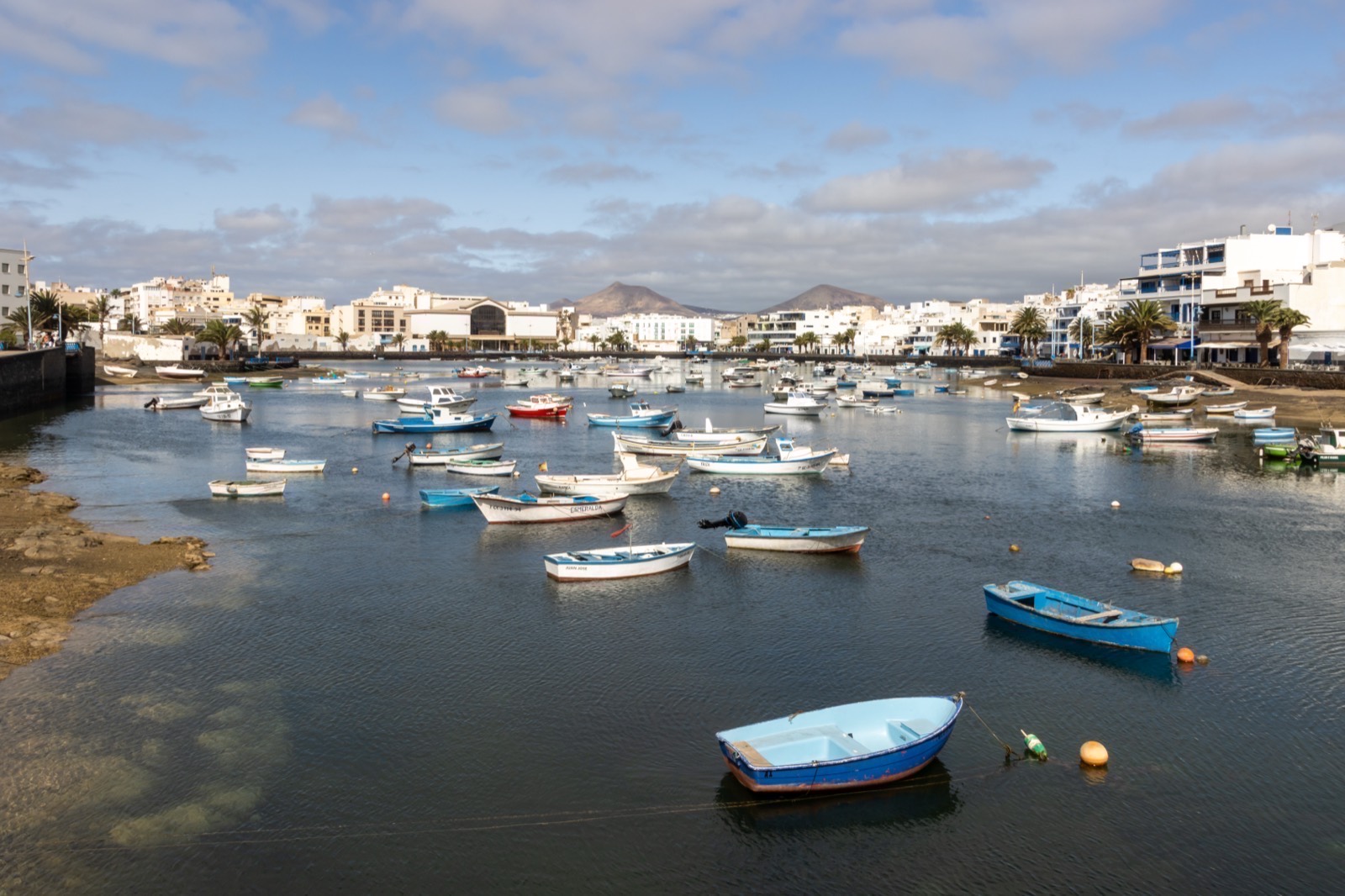 Arrecife at the heart of the San Ginés 2026 festivities
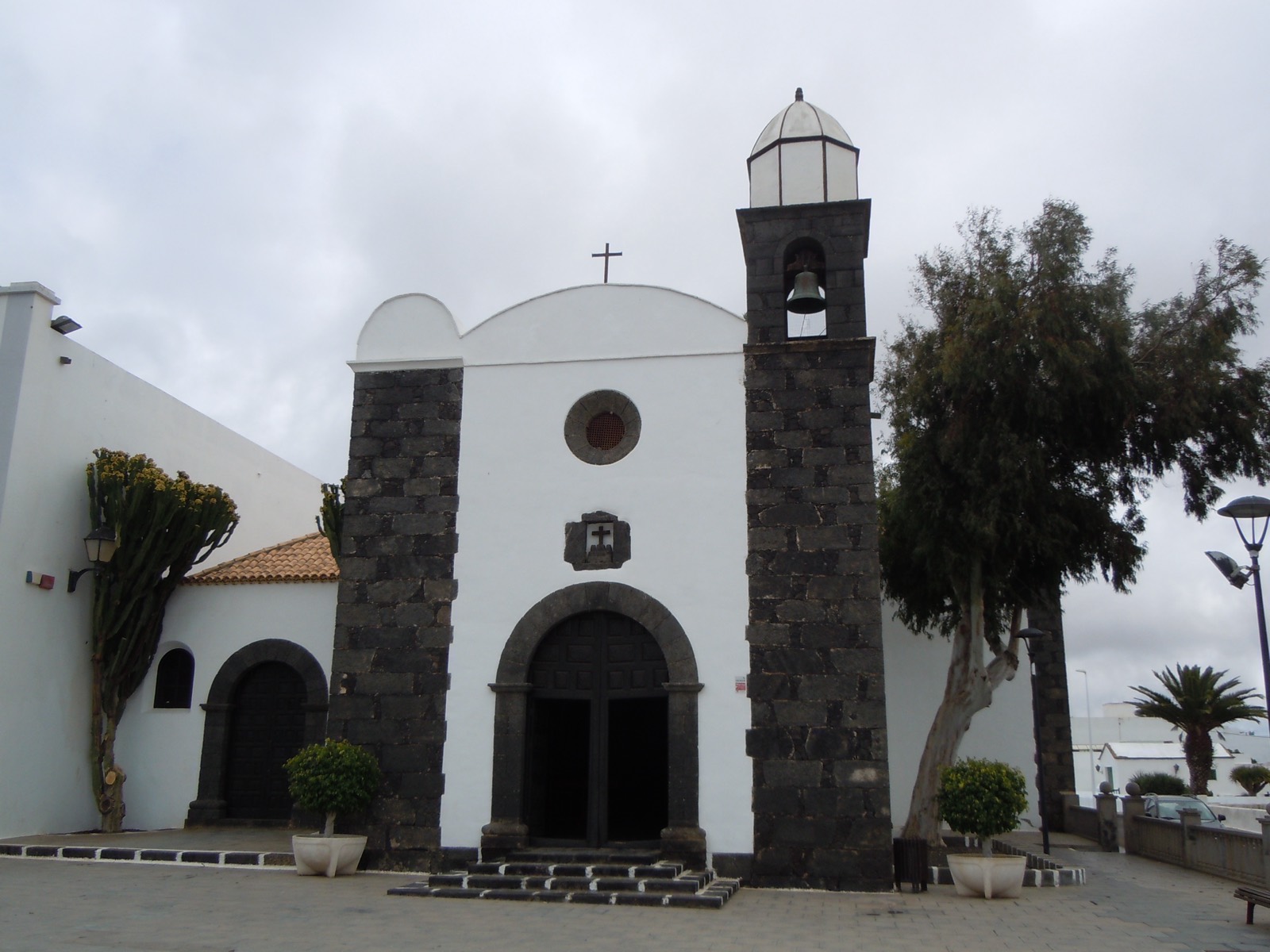 Three towns celebrating this weekend: Arrecife, San Bartolomé and Tinajo
 Arrecife's 'La Línea y la Sombra' garden is back in order