


Da Musso: Italian-Canarian cooking in Playa Honda
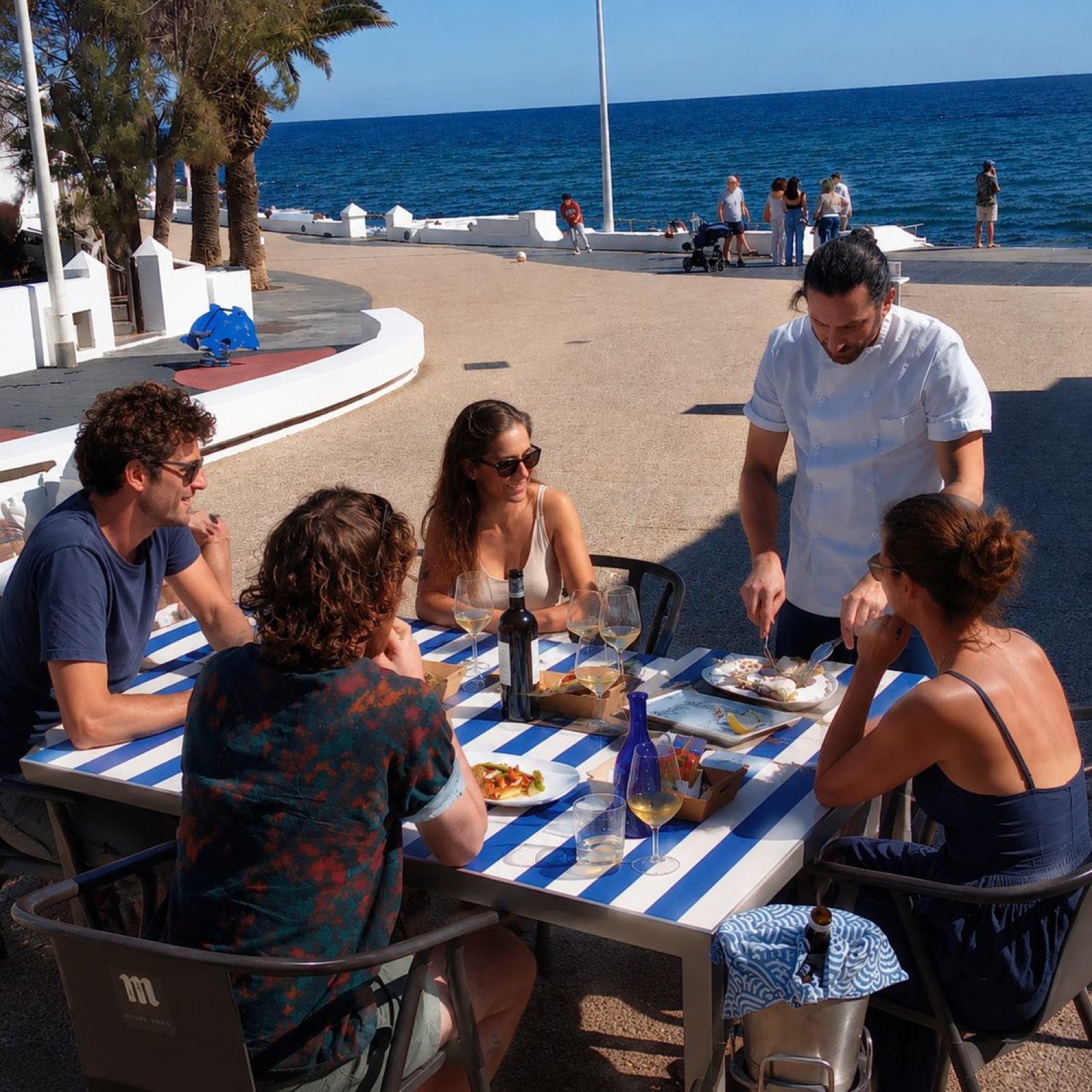
Some restaurants tell you where you are the moment you walk in. Da Musso is not one of them, and that is precisely the point. From the dining room you see the Atlantic, and on clear evenings Fuerteventura is a dark line on the horizon; out of the kitchen comes pasta rolled that same morning. The two things don't fight over the plate. They come to an agreement.
This is Playa Honda, in the municipality of San Bartolomé, barely ten minutes from the airport runway. It isn't a postcard square and doesn't pretend to be: it's where the people who work in Arrecife live, with the long beach on the other side of the road. A restaurant here doesn't survive on passing trade. It has to bring the locals back.
The idea: Italian craft, Canarian larder
The formula fits in one sentence — Italian cooking, island ingredients — and like all short sentences it risks meaning nothing. Here you see it in the details.
The fish comes from the lonja, the market where the boats land their catch. That's why on some lines of the menu, instead of a price, it says s/m: según mercado, at market price. It means you pay what it cost that day, and that if the sea has been rough the dish simply isn't there. It's an awkward way to run a kitchen — it forces you to redo the numbers every morning — and it's exactly why it's worth sitting down.
The rest follows the same logic. The prawns and carabineros come from La Santa, on the north coast, where the Atlantic is cold and hits hard: shellfish that grows there has a texture you don't get elsewhere. The vegetables are organic, from island growers, which is why the menu moves with the seasons instead of staying identical from January to December.
Four dishes that explain the kitchen
If you had to pick the plates that tell you what this place is, these are they.
Risotto croquettes with prawns and coconut (€14). On paper they read like a fusion gamble from a decade ago. On the plate they're a considered arancino: the rice holds, the prawn is from La Santa, and the coconut arrives not as sweetness but as fat — it takes the saline edge off the shellfish instead of burying it. This is the dish that states the house's intentions.
Sardines stuffed with sweet potato, Mediterranean style (€14). Here the crossing runs the other way: humble oily fish, the kind eaten on this island forever, filled with batata, the Canarian ingredient par excellence. Italian in technique, Canarian in substance. It costs fourteen euros and could sit on a cookery school's menu.
Tortellini stuffed with mortadella and ham, finished on the grill, with parmigiano fondue (€18). This is the dish you don't expect on an Atlantic island, and the pass over the coals is what makes it belong here: the filled pasta picks up a light smoke before it meets the fondue. Emilia, with smoke inside.
Orecchiette with turnip greens and fried anchovy meatballs (€16). The Puglian dish done properly, with fried anchovies bringing crunch and salt. Turnip greens don't grow on Lanzarote: it's one of those lines where the menu admits Italy is still the starting point.
The grill, which is the other half of the place
Come in thinking only about pasta and you risk missing the best of it. The grill here isn't a fallback for people who skip a first course: it's a department with a menu of its own.
On meat: picanha (€22), entrecôte (€20), secreto ibérico (€22), lamb chops (€24), sausage (€14). The Rubia Gallega ribeye is sold by weight — €8.50 per 100 grams — which is the honest way to treat a cut like that: you choose the piece and you pay for that piece. The mixed grill for two is €38, and it's the shortest route to understanding the coals in a single evening.
On fish the menu turns laconic of necessity: catch of the day, grilled or fried, both at s/m. And octopus in a clay pot (€20), cooked slowly in the pignatta — a preparation for patient people, which is why almost nobody does it.
The rest of the menu
Among the starters, the Galician oyster goes by the piece (€4), seafood of the day is s/m, the ceviche of the day is €18. Then swordfish bombetta (€14), aubergine meatballs stuffed with scamorza in tomato sauce (€12) for anyone who wants to stay on land, capocollo with burrata and figs in honey (€16.50) and grilled tuna with sweet-and-sour vegetables (€16).
Among the first courses, besides those already mentioned, there are tonnarelli with clams (€16), the stuffed pasta of the day (€18), a vegetarian pasta (€16) and prawn risotto with burrata cream and a scent of citrus (€18). The seafood pasta for two is €50.
Sides between 4 and 8 euros: mixed salad, baked jacket potato, sweet potato mash, vegetable caponata, fries, cacio e pepe chips. The desserts are made in house.
What it costs
Doing the arithmetic off the menu: a starter and a first course each, with water and a glass of wine, comes to €35-45 a head. Go the grill route, split the mixed grill for two at €38, and you land around the same. Order the Rubia Gallega, the carabineros and the catch at market price and it climbs — but you know that going in, and rightly so: those are the lines where the restaurant doesn't pretend good fish costs the same as the rest.
VAT is included. There are vegetarian, vegan and gluten-free options, but you need to say so when you book, not when you sit down.
Where, how, when
Calle Princesa Ico 1, 35509 Playa Honda, municipality of San Bartolomé. Two indoor rooms and tables outside above the ocean — the outdoor ones, at sunset, are the first to go.
You book directly on WhatsApp, at +34 663 80 54 72. No portals, no commissions: the restaurant answers. For birthdays, company dinners and parties they take the terrace private and put together a set menu.
One last practical note, worth more than a lot of reviews: Playa Honda is the smart choice if you land late or leave at dawn. You eat ten minutes from the terminal, with the sea in front of you, in a place where in the evening the tables fill up with islanders. Which is always the best sign.
Anna Borlenghi
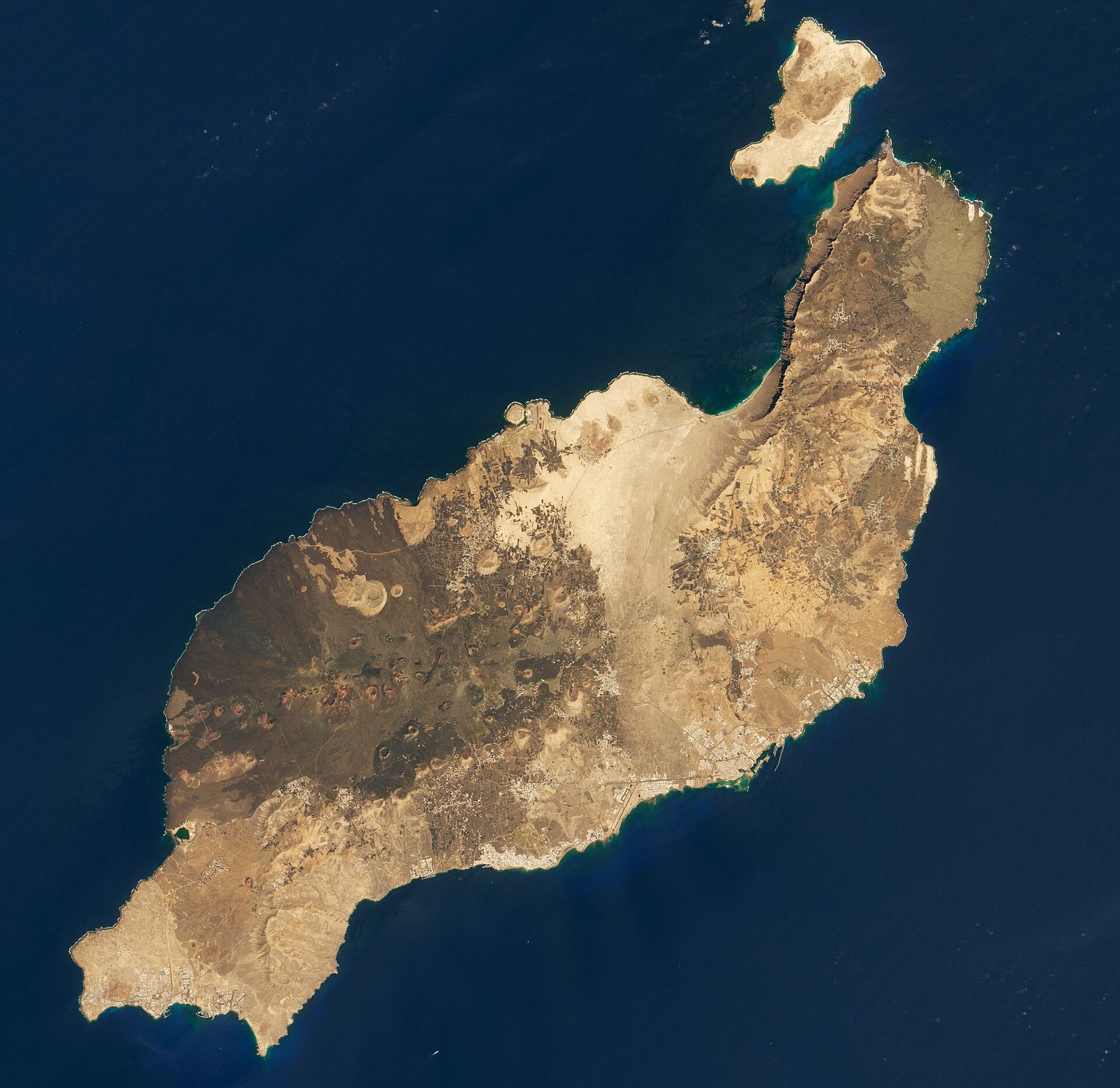 Aperitivo in La Geria: the wineries that open to visitors
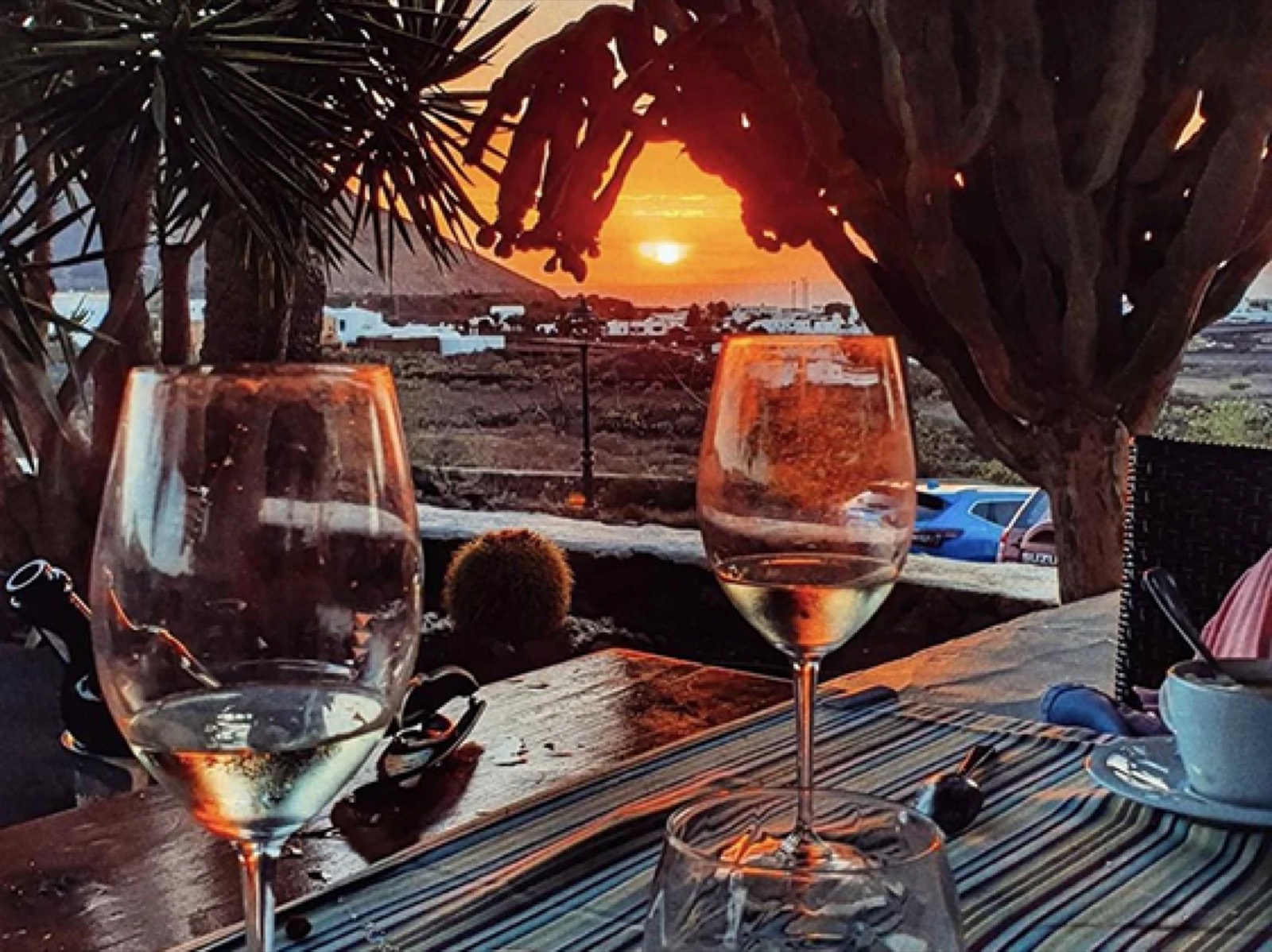 La Bodega de Santiago, Canary cooking in a two-hundred-year-old house
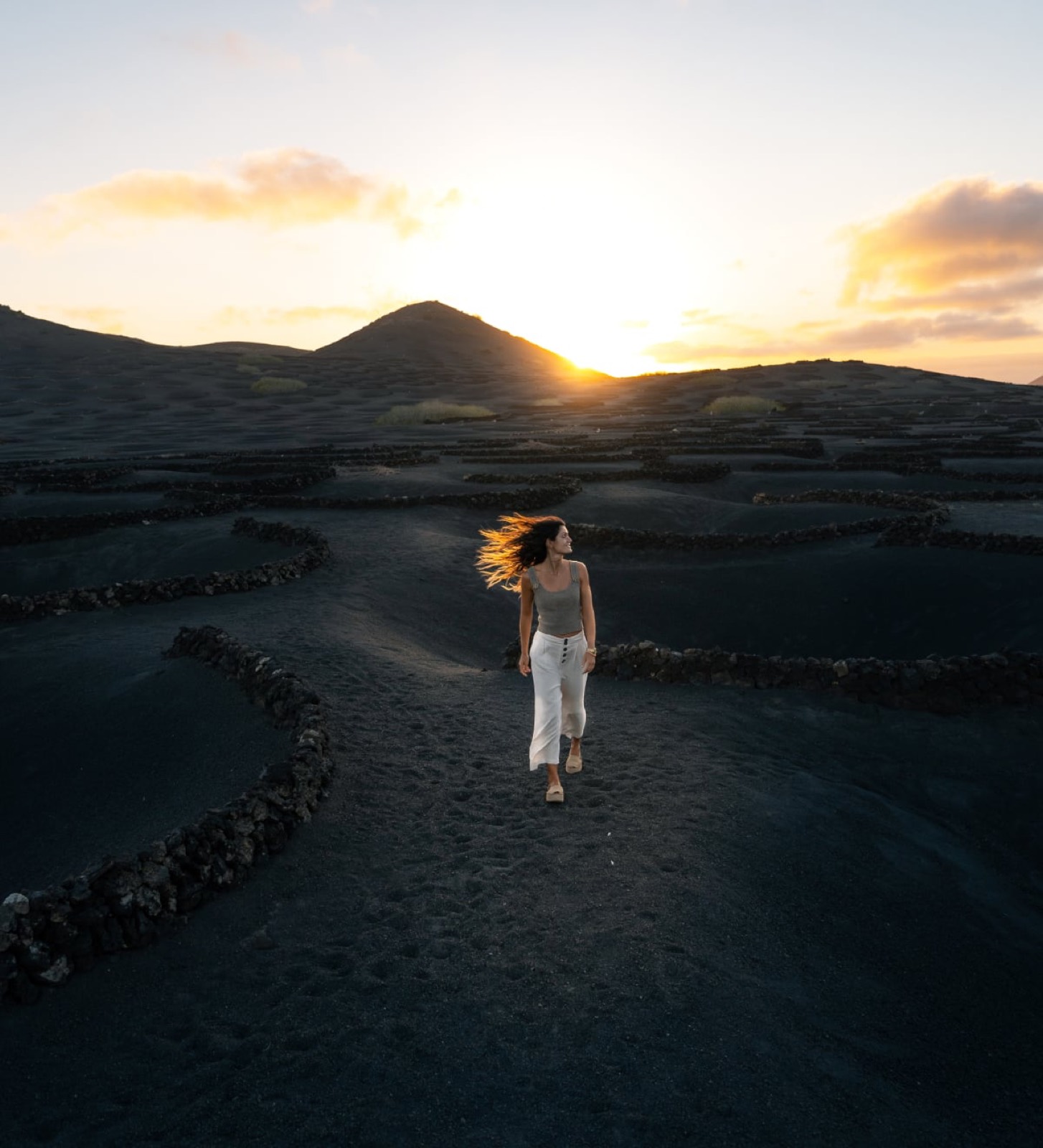 Stratvs, the La Geria winery you visit with a tasting included