


The island honours its craftspeople: the 2026 Artesanía Awards at Mancha Blanca
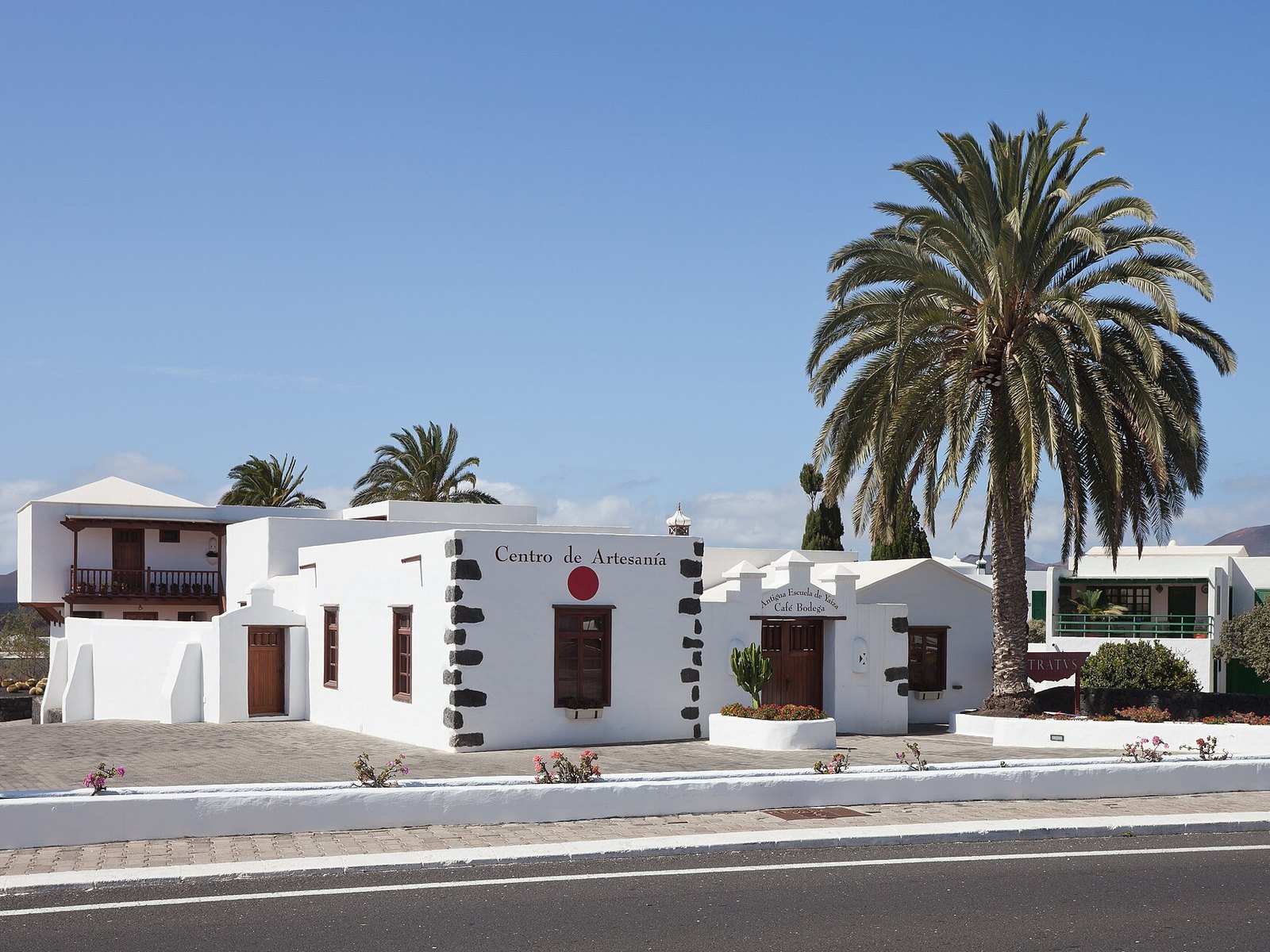
The Mancha Blanca fairground hosted the presentation of the 2026 Lanzarote Artesanía Awards on Friday, run by the Cabildo of Lanzarote and La Graciosa. Two hours in which the island did something it rarely does: name the people who keep its trades alive.
The winners
The lifetime award went to the Asociación Milana, for twenty years of work around the tunera, the prickly pear. Also honoured were Chana Perera, one of the driving forces behind the Feria in its early years, and Antonio Emilio Betancort, for keeping alive the tradition of the roseta, Lanzarote's needle lace.
A special mention went to Joaquín Reyes Betancort, from Máguez, for preserving traditional pottery: clay worked without a wheel, as it was here before the wheel arrived. They were joined by Los del Gofio Arráez & Morales, from Órzola, for twenty-five years at the Feria, and Aurelio Pérez, awarded best stand design in stonemasonry.
Island president Oswaldo Betancort said craft holds much of the island's identity: "We have recognised people and groups who have given years of work to preserving knowledge." Councillor Aroa Revelo pressed the point that actually matters: transmission. Skills like the roseta or traditional pottery are not lost when the person who knows them dies — they are lost when nobody has learned them first.
The cochineal book
After the ceremony came the launch of La tunera y sus productos. El cultivo de la cochinilla en Lanzarote, published by the Cabildo's publishing service. It documents the historical, economic and cultural value of cochineal in the Canaries — the insect that lives on the prickly pear and yields carmine red. For decades it was Lanzarote's principal source of wealth, until chemical dyes ruined the trade. Today it is a niche crop, and that red is worth something again.
Pamela Maletti
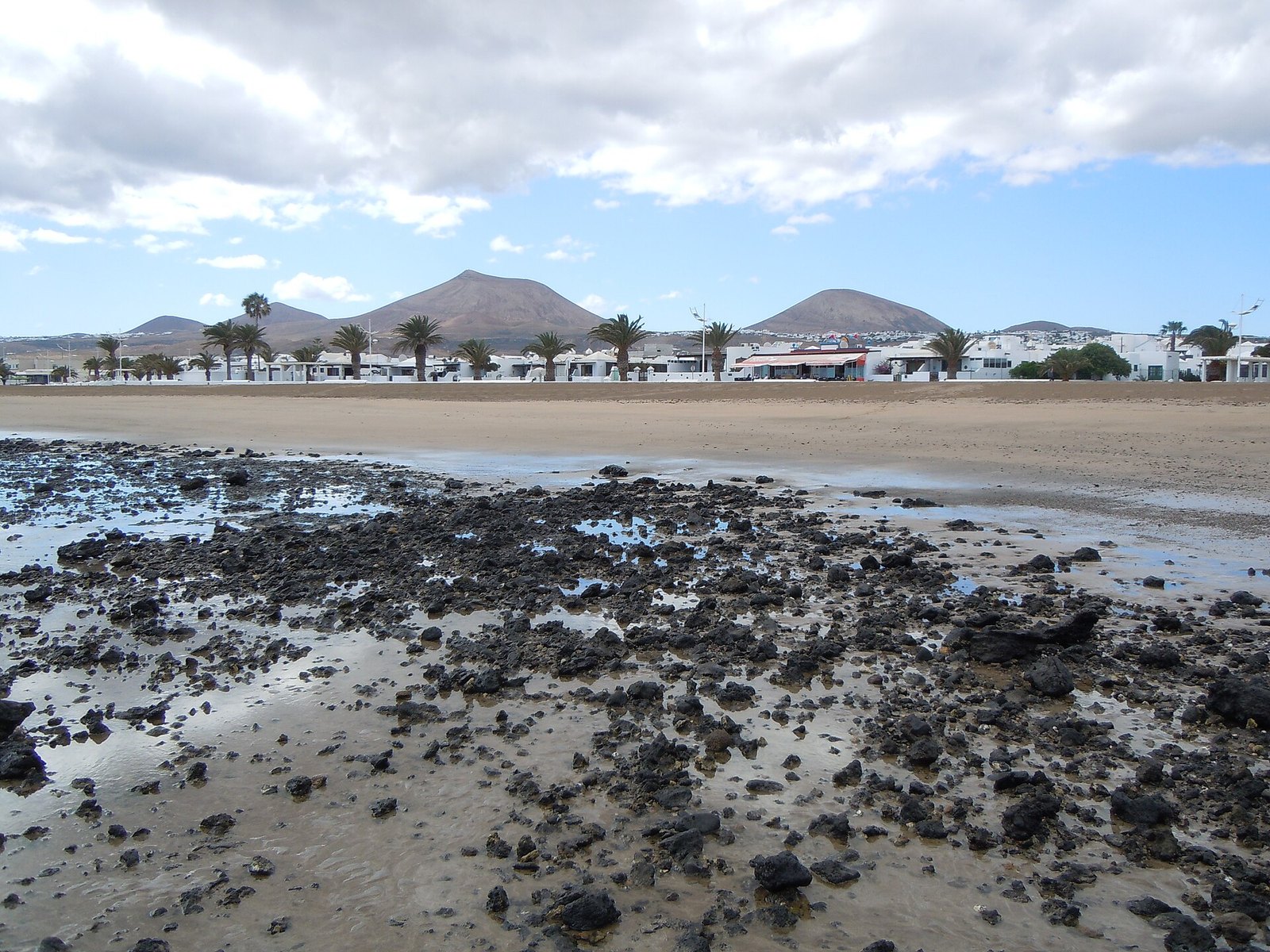 Playa Honda's fiestas, 18 to 27 September: Burger Fest, verbenas and the Parrandehonda
 Kamezí, Lanzarote's Michelin star: the island in fourteen courses
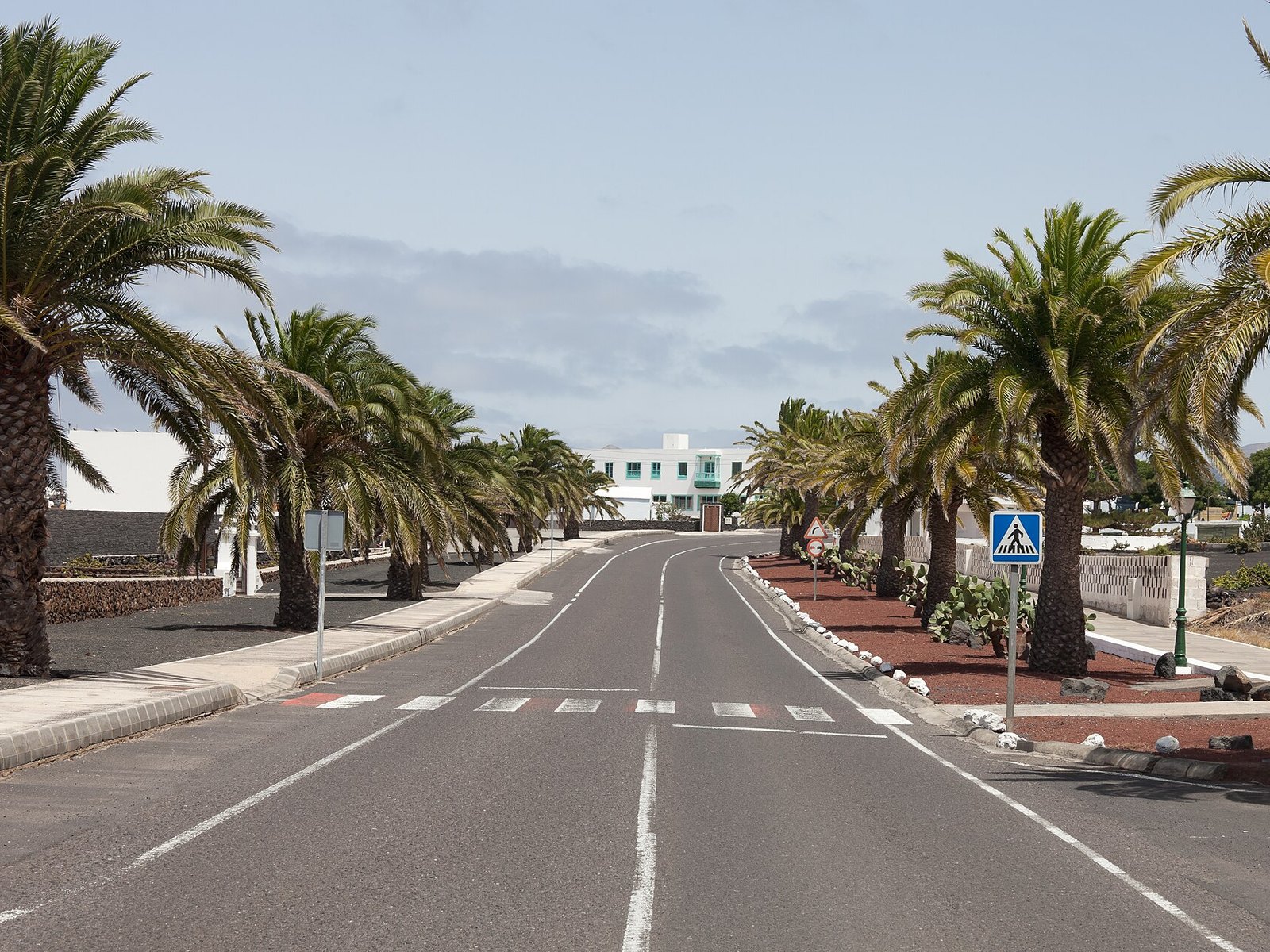 Yaiza pays €124,750 to 117 students: €1,200 for those studying off the island