


La Graciosa wants to make its own water: sun on the roofs and a 450-tonne-a-day desalination plant
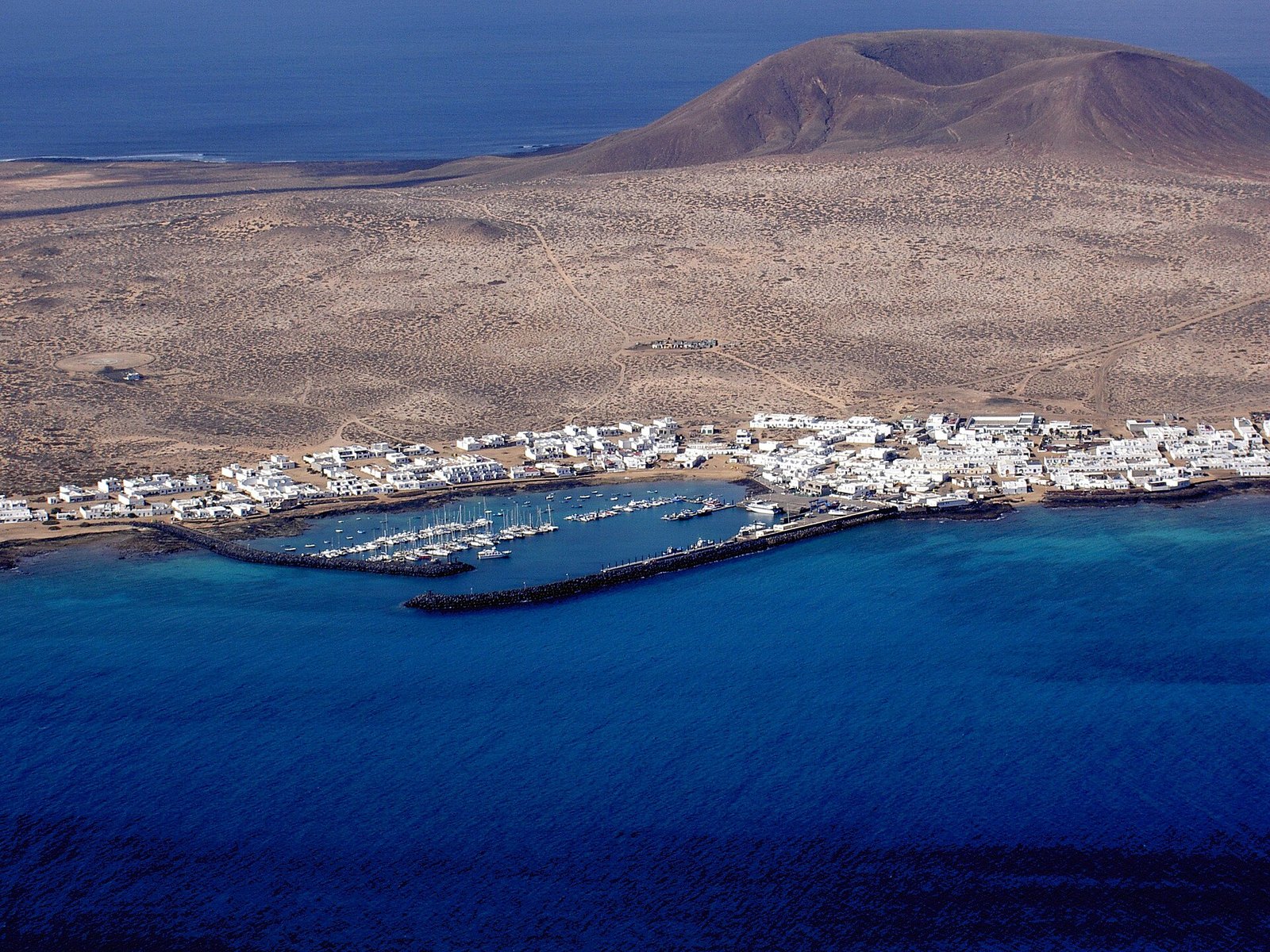
On an island of some seven hundred people with not a drop of fresh water, water comes from elsewhere. La Graciosa has always depended on Lanzarote, and a group of residents is trying to change that: the project is called El Sol de La Graciosa, a non-profit community scheme aiming for water and energy sovereignty by 2030.
What is happening now
Teguise council, which administers the eighth island, has just handed over two public spaces: the roofs of the CEIP Ignacio Aldecoa school and of the old desalination plant. On top will go the solar panels; underneath, a reverse-osmosis plant able to produce up to 450 tonnes of water a day, powered by that sun.
Putting everything on rooftops is not a technical footnote but the heart of the plan: La Graciosa is a protected natural area, and visual impact would have been the first thing to stop any installation.
Who is behind it, and with whose money
The initiative belongs to the community: "the residents themselves are an active part of the solution," says director Nahum Cabrera. Funding comes from the EU's Horizon Europe programme. Teguise mayor Olivia Duque calls it an example of finding island solutions fitted to the place.
If it works, it ends a dependence as old as the island itself. And it is worth watching for another reason: what succeeds with seven hundred inhabitants is the trial run for what a hundred and fifty thousand will need.
Daniele Boagno
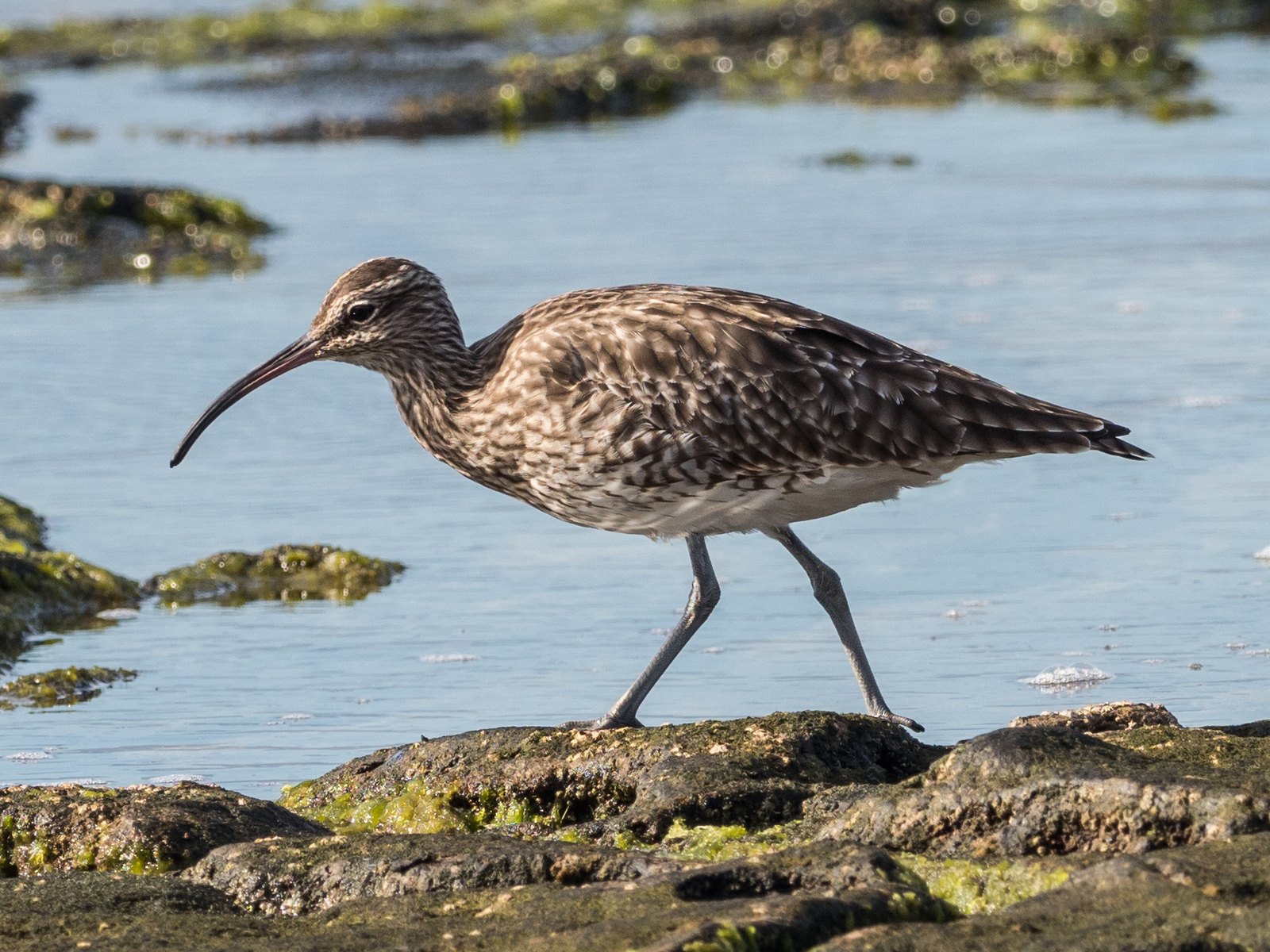 Who winters here: two free birdwatching walks in Arrecife on 17 October
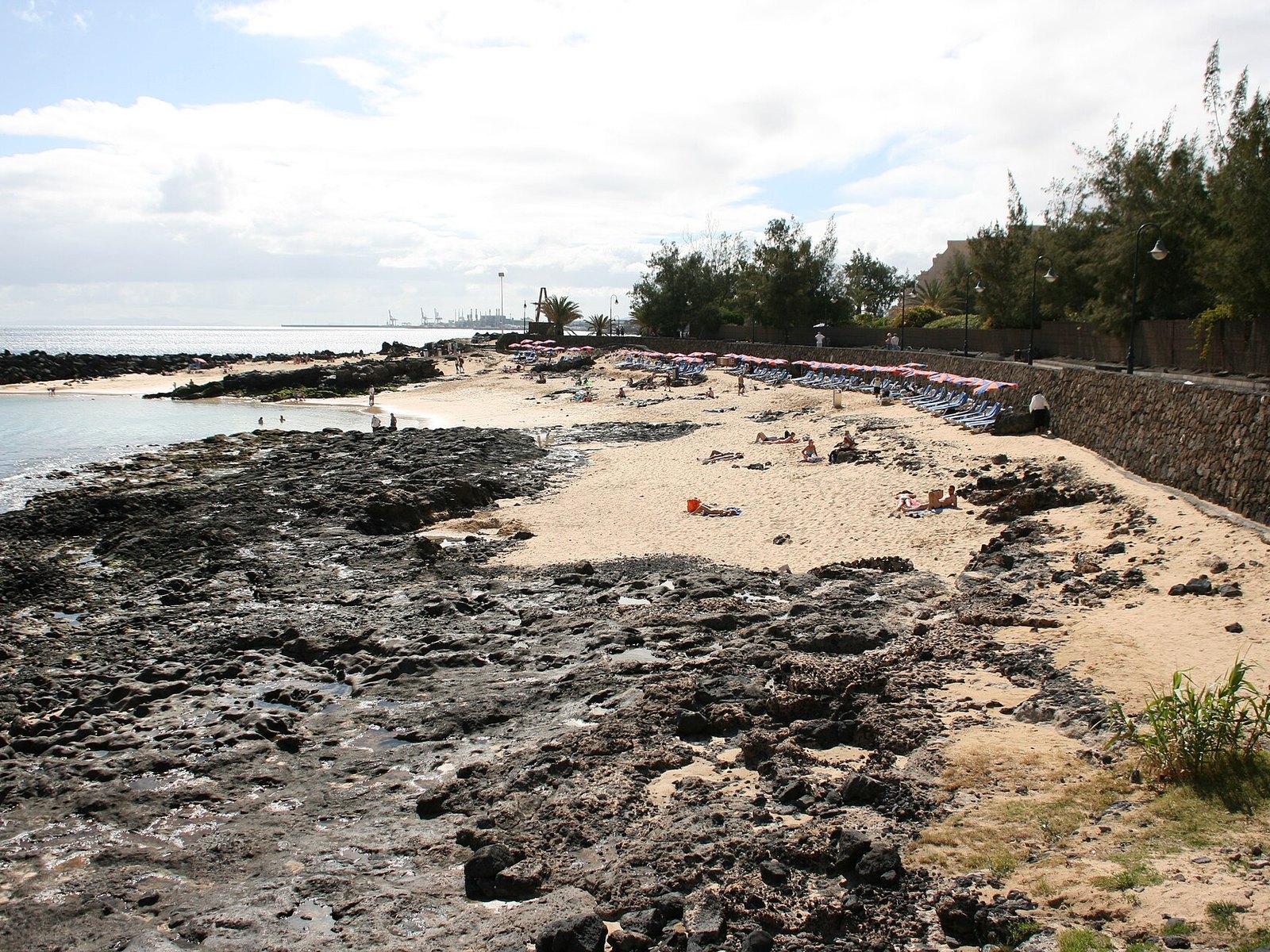 Tina Turner and Miguel Ríos on Saturday night at Las Cucharas beach, free
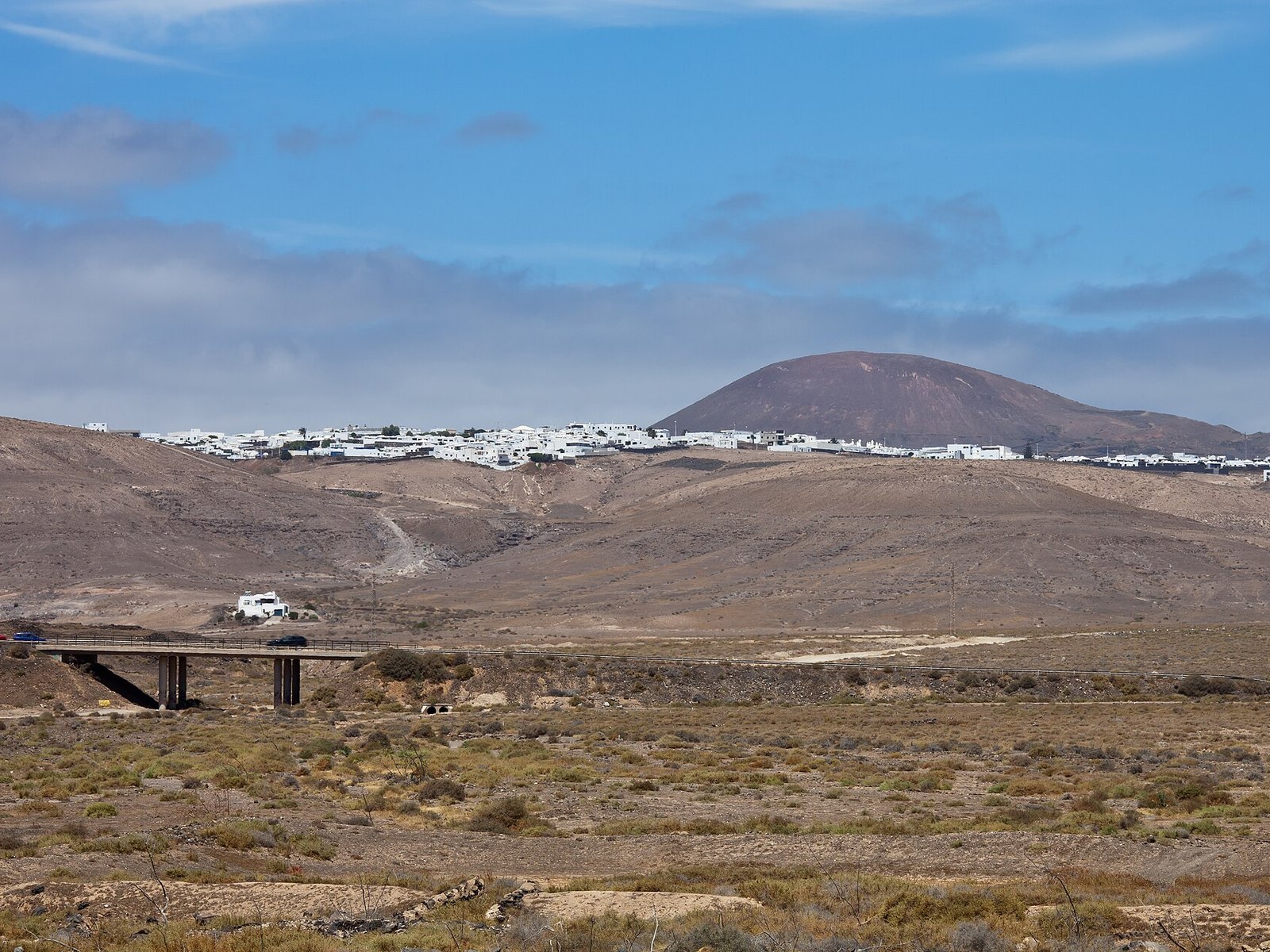 On Saturday in Tías the cinema belongs to children: 'Vainilla' in the chapel, free